Imagine grocery store shelves go empty and stay that way for good. When the global food chain snaps, survival seed vaults are the only thing standing between you and total starvation. These doomsday bunkers, buried deep in the frozen mountains of the Arctic, act as a hard drive for the planet’s food supply. They keep millions of seeds frozen at sub-zero temperatures to ensure that if a crop vanishes from the earth, we have a way to bring it back.
You don’t need to be a billionaire with a mountain fortress to protect your family’s future. While the big vaults are busy saving the world, you need a strategy that works in your own backyard. Most marketing fluff tries to sell you overpriced emergency kits that are mostly filler and fancy packaging. It is time to cut through the noise and look at what actually keeps your garden growing when the rest of the world stops.
Key Takeaways
- Prioritize heirloom, non-GMO seeds over hybrid varieties to ensure you can harvest and replant seeds annually, creating a self-sustaining food loop independent of external suppliers.
- Maintain long-term seed viability by mastering the ‘triple threat’ of storage: keeping your collection in a cold, dark, and dry environment using airtight glass jars or Mylar bags.
- Focus on high-calorie staples and regional suitability rather than seed volume or flashy packaging when selecting an emergency kit.
- Treat your seed collection as a tactical asset and a functional insurance policy that provides genetic independence from fragile global food supply chains.
Lessons From The Svalbard Global Seed Vault
The Svalbard Global Seed Vault acts as the ultimate insurance policy for humanity by tucking away millions of crop varieties deep inside a frozen mountain. Located halfway between Norway and the North Pole, these doomsday bunkers use natural permafrost to keep seeds at a constant temperature of negative eighteen degrees Celsius. Even if the power grid fails or the mechanical cooling systems give out, the surrounding environment ensures these genetic blueprints stay viable for decades. It is a masterclass in passive protection and strategic placement that every serious prepper should study. You can take a page from their playbook by ditching the kitchen junk drawer and finding a dedicated, temperature controlled spot for your own heirloom collection.
Mimicking the world’s most secure vault does not require a billion dollar budget or a mountain in the Arctic. The big secret to long-term seed viability is the triple threat of cold, dark, and dry conditions. You should store your seeds in airtight containers like glass jars or heat sealed Mylar bags to lock out moisture and oxygen. Instead of leaving them in a humid garage or a sunny windowsill, consider using your basement or even a dedicated corner of your freezer. When you control the climate, you effectively hit the pause button on the biological clock of your garden, ensuring your food security remains intact for years to come.
Building your own survival seed vault is about moving beyond temporary food kits and embracing true self sufficiency. While most people focus on stocking up on canned goods, the real power lies in owning the means of production for your own calories. By following the cold storage tactics used at Svalbard, you are preserving the ability to grow nutrient dense food regardless of what happens to the global supply chain. This is not just about hoarding packets of seeds, but rather about curating a tactical asset that protects your family’s future. Start small, stay organized, and keep your genetic library chilled to ensure you are ready for any growing season.
Heirloom Versus Hybrid Seeds For Long Term Security
When you are building a survival garden for the long haul, you cannot afford to rely on the flashy hybrid seeds found at your local hardware store. Hybrid seeds are basically one hit wonders because they are crossbred for specific traits like size or color, but their offspring rarely stay true to the parent plant. If you try to save seeds from a hybrid tomato, you will likely end up with a weak, unpredictable plant that cannot feed your family next season. This creates a dangerous cycle of dependency where you are forced to buy new seeds every single year just to keep your garden alive. True self-sufficiency requires a plant that can reproduce reliably without a middleman standing between you and your food source.
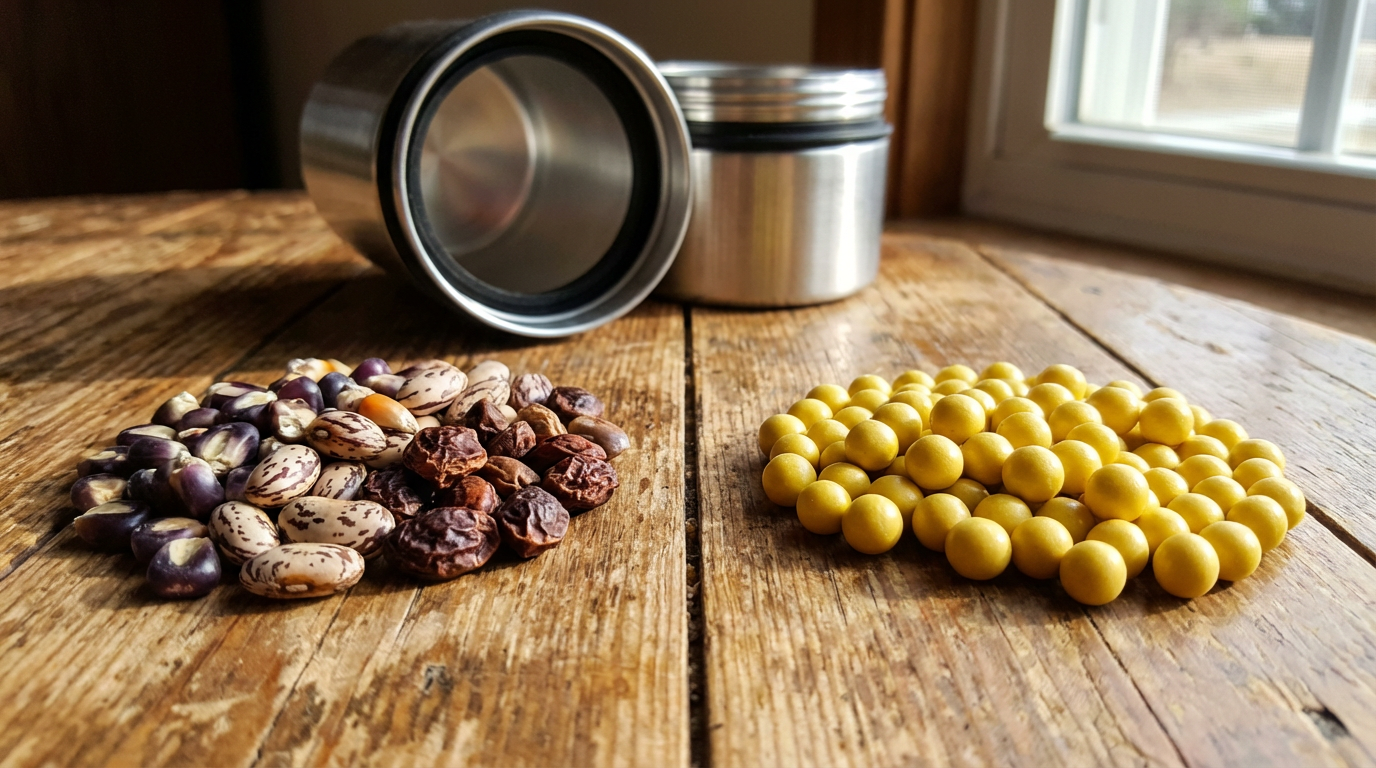
Heirloom seeds are the gold standard for any serious prepper because they are open pollinated and genetically stable over generations. These seeds carry the history and resilience of our ancestors, meaning they have already survived the test of time through various climates and pests. When you plant heirloom, non-GMO seeds, you can harvest the seeds from your best crops and replant them the following year with total confidence. The DNA remains consistent, so you know exactly what kind of yield and nutrition to expect from every single row you plant. This creates a permanent food loop that turns your backyard into a self-sustaining fortress rather than a temporary hobby.
Investing in a high quality survival seed vault is about more than just variety, it is about securing your genetic independence. While global seed banks keep backups deep inside frozen mountains for the elite, a personal vault puts that power directly into your hands. You want seeds that are specifically dried and sealed to last for years in storage while maintaining high germination rates. By choosing a kit focused on heirloom varieties, you are essentially buying a lifetime subscription to food that the government or big corporations cannot switch off. It is the ultimate tactical move for anyone who refuses to let their survival depend on a global supply chain that could snap at any moment.
Protecting Your Genetic Gold From Moisture And Heat
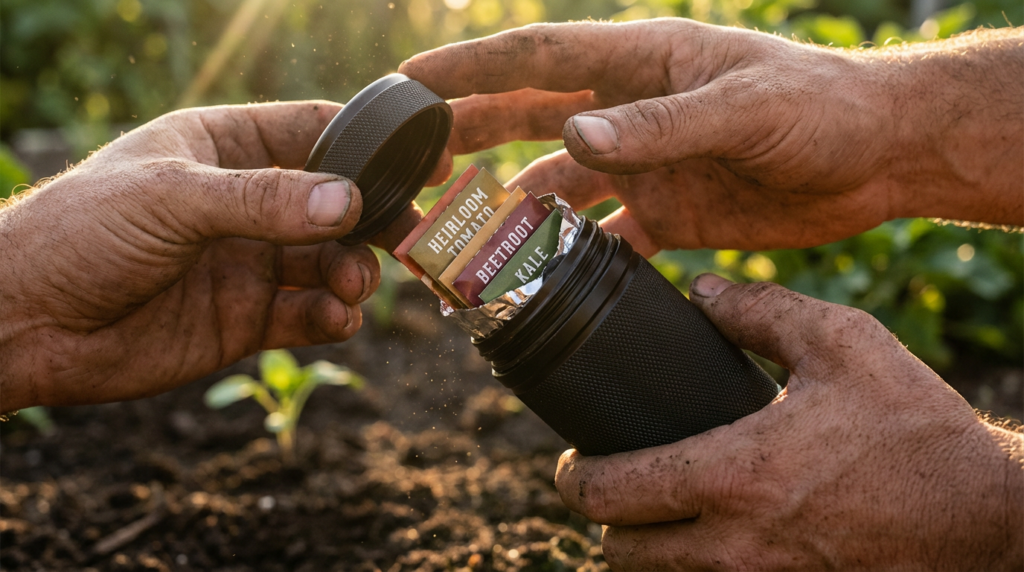
You have to treat your seed collection like genetic gold because moisture is the absolute silent killer of your long term survival plan. Even a tiny bit of humidity trapped inside a container can trigger premature sprouting or, even worse, invite mold that rots your entire investment before you ever plant a single row. High quality survival vaults solve this by using triple layered mylar bags and airtight seals that mimic the industrial standards used in professional doomsday facilities. When you squeeze the air out and drop in a desiccant pack, you are essentially hitting the pause button on biological decay. This level of protection ensures that when you finally crack that seal in five or ten years, those seeds are ready to hit the dirt and produce a massive harvest.
Heat is the second half of the destruction duo that can turn your expensive survival kit into a box of dead husks. While the pros bury their vaults deep in the Arctic permafrost to maintain a steady sub zero temperature, you can achieve similar results by finding the coolest, most stable spot in your home. Fluctuating temperatures are actually more dangerous than a constant warm room because the expansion and contraction can compromise seals and stress the delicate embryos inside the seeds. Aim for a dark basement or a climate controlled root cellar where the thermal mass of the earth helps keep things steady. If you keep your vault cool and dry, you are not just storing seeds, you are securing a functional insurance policy for your family’s future food supply.
Top Rated Clickbank Survival Seed Kits Reviewed
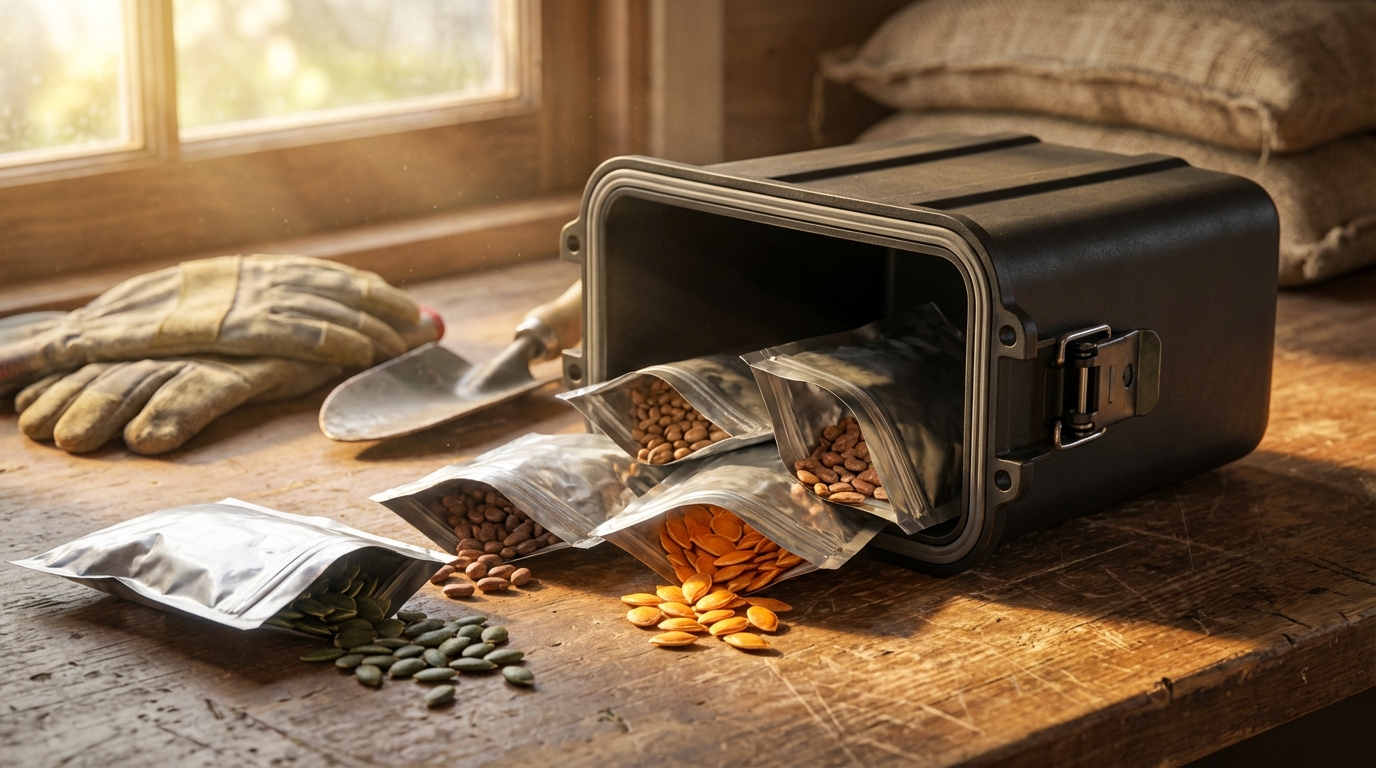
When you look past the flashy survivalist graphics and the limited time countdown timers on Clickbank, you will find that not all seed vaults are created equal. You need more than just a fancy plastic bucket to survive a long term crisis, so I am digging into the actual seed counts and germination rates promised by these kits. Many of these digital offers talk a big game about doomsday preparedness, but I am here to tell you if they actually provide the heirloom variety needed for sustainable gardening. I look for transparency in their sourcing because a true survival kit should focus on high calorie staples rather than just cheap filler seeds. You deserve a product that mimics the reliability of professional genebanks without the massive markup found on most tactical sales pages.
Most of these kits claim to be the ultimate backup for your family, yet they often hide the fact that seeds have a shelf life if they are not stored correctly. I am interrogating the packaging quality of these top rated offers to see if they truly use the triple layered Mylar bags required for long term viability. It is one thing to buy a bag of seeds, but it is another thing entirely to ensure those seeds will actually sprout five years from now when you really need them. I ignore the marketing fluff about government secrets and focus on whether the kit includes a diverse range of non GMO crops. You need a mix that provides both nutrition and the ability to save seeds for the next season if the grocery stores stay empty.
Finding a kit that balances price with high quality genetics is the real goal for any smart prepper. I have noticed that some creators try to sell you on the volume of seeds alone, but ten thousand tiny lettuce seeds are not as valuable as a solid stock of beans and corn. You should look for kits that provide clear planting instructions and regional advice, as a seed is useless if you do not know how to make it grow in your specific climate. My goal is to slice through the hype so you can invest your hard earned money in a vault that offers genuine food security. If a product cannot prove its worth under my skeptical lens, it has no business sitting in your emergency pantry.
Securing Your Family’s Perpetual Food Insurance
Building a survival seed vault is about much more than just hoarding supplies or filling a tactical backpack with gear. When you secure a stash of non-GMO, heirloom seeds, you are essentially buying an insurance policy for your family’s long term survival. While most people are busy fighting over the last pre-packaged meal kit on the shelf, you will have the ability to produce a continuous supply of fresh, nutrient-dense food. This move shifts your mindset from being a passive consumer to a producer who can weather any storm. It is the ultimate bridge between temporary emergency preparedness and true, sustainable independence.
You do not need to be an expert farmer to appreciate the raw power of having your own genetic backup of the world’s most vital crops. Having these seeds tucked away in a cool, dry place provides a level of peace of mind that no bank account or digital asset can match. We have seen the marketing fluff and the overblown promises of the survival industry, but the reality of self-sufficiency is grounded in the soil. Even if you are maximizing small spaces, when you own the means to grow your own food, you stop worrying about supply chain collapses or empty grocery store aisles. It is a gritty, practical solution for anyone tired of relying on a fragile system.
True security comes from knowing that you have the tools to start over, no matter what happens to the world around you. A seed vault is a quiet, powerful statement that you are taking control of your future instead of leaving it to chance. It is not about being paranoid, it is about being smart and recognizing that food is the most basic form of currency. By investing in a high-quality collection of seeds today, you are ensuring that your table will never be empty. Take the leap into real self-reliance and give yourself the freedom that only comes from being truly prepared.
Frequently Asked Questions
1. What exactly is a survival seed vault?
Think of it as a hard drive for your food supply. It is a collection of diverse, high quality seeds stored in a way that keeps them viable for years so you can replant your garden if the grocery stores ever go dark.
2. Do I really need a mountain fortress like Svalbard to keep seeds safe?
Not at all. While the pros use Arctic permafrost, you can get the same results by mastering the triple threat of cold, dark, and dry conditions. A dedicated, temperature controlled spot in your home works just as well as a bunker.
3. Are those expensive emergency seed kits worth the money?
Most of those flashy kits are overpriced fluff filled with fancy packaging and common seeds you do not actually need. You are better off ignoring the marketing noise and building your own collection of hardy, heirloom varieties that actually grow in your climate.
4. How long will my seeds stay good for planting?
If you ditch the junk drawer and use airtight containers in a cool environment, your seeds can stay viable for a decade or more. The key is consistency, because fluctuations in heat or moisture are what actually kill your seeds’ potential.
5. What are the best types of seeds to store for a real crisis?
You want heirloom, non GMO varieties because they allow you to harvest new seeds from your crops every year. This creates a self sustaining loop that keeps you from ever having to buy a new kit from a salesman again.
6. Where can I find a reliable seed collection without the marketing hype?
Cut through the noise and look for transparent providers who prioritize seed quality over flashy buckets. You can check out high quality options at httpsco to find kits that focus on actual survival rather than just looking good on a shelf.