

You’ve seen the flashy ads promising a set-and-forget fortune while you sleep. The truth is that automated trading bots are no longer just for Wall Street elites, as they now control over 70% of the stock market. With the industry growing toward a $50 billion valuation, everyone is trying to sell you a secret algorithm. You’re likely here because you’re tired of the hype and want to know if these bots actually work or if they’re just expensive digital paperweights.
The market is shifting fast with AI and decentralized exchanges making everything more complex and crowded. We’ve dissected the sales pitches and cut through the marketing fluff to see what’s actually worth your time. Our goal is to peel back the curtain on these high-speed tools to see which ones deliver results and which ones are just burning your capital. You deserve the raw facts before you let a machine take the wheel of your hard-earned money.
Key Takeaways
- Automated trading bots now control over 70% of the market, making them essential tools for retail investors to level the playing field against institutional algorithms.
- Success with automation requires moving beyond flashy marketing hype to prioritize platforms that offer robust backtesting, transparent performance data, and granular risk management controls.
- While bots eliminate emotional bias and execute trades in milliseconds, they are not ‘set-and-forget’ systems and require regular oversight to adapt to high market volatility.
- The most effective approach to automation is starting small with paper trading or single-strategy tasks to verify a bot’s logic before committing significant capital.
Breaking Down How Algorithmic Trading Bots Work
Imagine you have a tireless employee who watches the market charts every second of the day without ever needing a coffee break. These software tools work by following a specific set of instructions, or algorithms, that you or the developer program into the system. When the market hits your exact price target or shows a specific pattern, the bot triggers a trade instantly. It removes the hesitation and second guessing that usually ruins a good investment strategy. You are essentially turning your trading plan into a mathematical formula that runs on autopilot.
Modern bots are moving beyond simple if-this-then-that rules by incorporating sophisticated artificial intelligence logic. These advanced systems can analyze massive amounts of historical data and current market sentiment to predict price movements with incredible precision. While a human might take several seconds to process a price change and click a button, a bot executes that same move in milliseconds. This speed is crucial in a market that is increasingly dominated by automated systems. You get the benefit of high speed execution without the emotional baggage of fear or greed.
The reality of the current market is that you are often trading against machines rather than other people. With automated trading now making up over seventy percent of equity trading volume, using these tools is more about leveling the playing field than finding a secret algorithm or shortcut. These platforms allow you to backtest your ideas against years of data to see if they actually work before you risk a single dollar. It is about working smarter by using software to handle the heavy lifting while you focus on the big picture. You are essentially hiring a digital assistant to ensure you never miss a profitable opportunity again.
Sorting Through The Top AI Trading Platforms
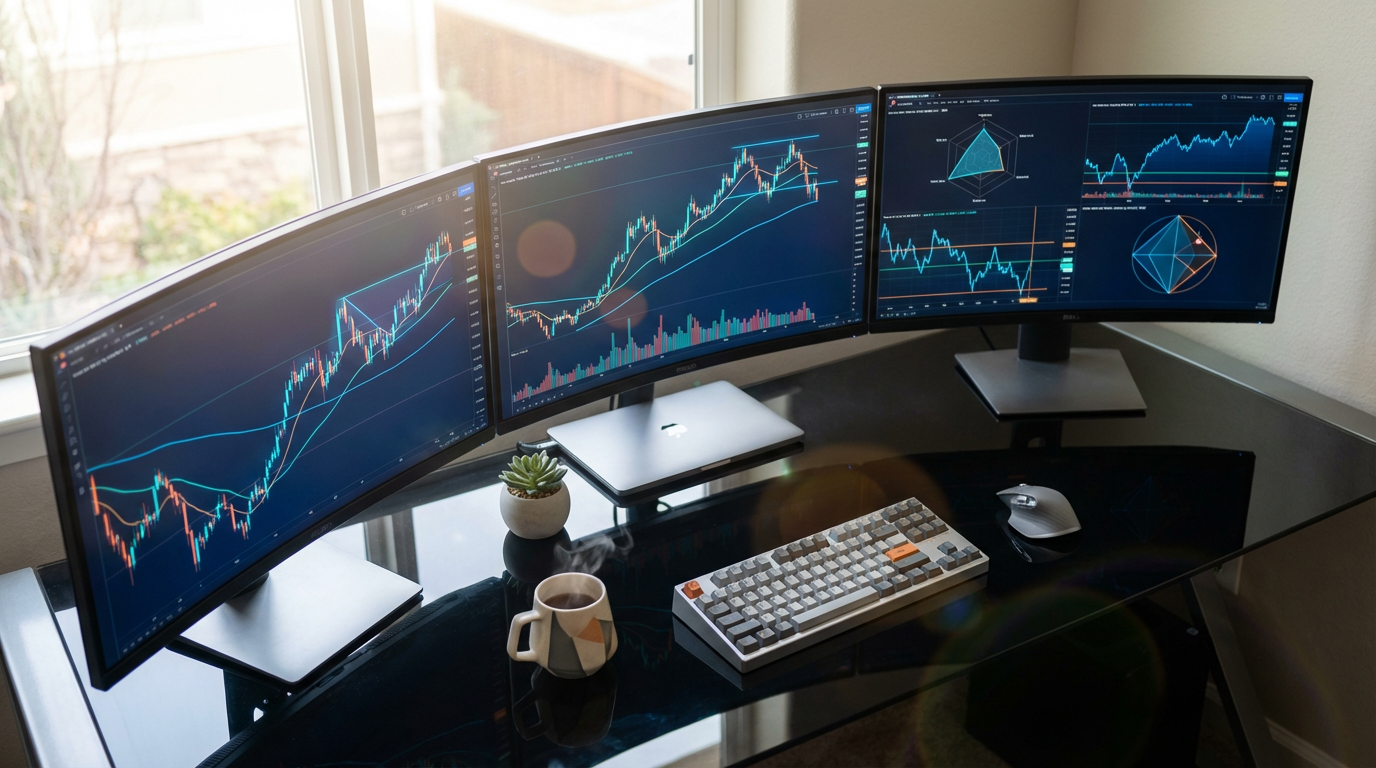
Finding a reliable automated trading bot feels like trying to spot a needle in a haystack made of marketing hype and empty promises. You have likely seen the flashy sales pages for Clickbank products like the 1000pip Climber System or various AI powered signals that claim to print money while you sleep. While these tools offer an entry point for retail investors into a market worth billions, you need to look past the bold fonts and ticking countdown timers. We are here to dissect these SaaS offerings to see which ones actually provide a functional interface and which ones are just recycled code from five years ago. It is about finding that sweet spot where user friendly automation meets actual market utility without getting caught in a subscription trap.
The market is shifting fast as decentralized finance and AI integration push the global algorithmic trading market toward a fifty billion dollar valuation. You do not need a computer science degree to get started, but you do need a healthy dose of skepticism when browsing the latest direct link offers on httpsco. Many of these platforms promise high speed execution and zero human error, yet they often hide their complex settings behind a wall of technical jargon. We focus on the Clickbank tools that keep it simple, giving you the transparency you deserve regarding refund policies and actual performance metrics. High energy marketing is great for getting attention, but we are only interested in the software that survives a deep interrogation of its core features.
Evaluating these top AI platforms requires you to be an informed consumer who values radical honesty over polished corporate speak. You should prioritize tools that offer clear documentation and straightforward setup processes rather than those that use a thousand words to say absolutely nothing. Whether you are looking at a specific signal service or a fully automated bot, remember that the best software empowers you to make decisions rather than taking away your control. We are cutting through the fluff to highlight the products that actually stand up to the pressure of a volatile market. Your goal is to find a tool that works as hard as you do, and we are here to make sure you do not waste your time on the duds.
Avoiding The Common Pitfalls Of Bot Automation
The reality of the bot market is that most software is designed to look good on a sales page rather than perform in a live storm. You will often see backtested results that look like a straight line to the moon, but these are frequently cherry picked data sets that ignore real world slippage and trading fees. If a bot cannot handle a sudden 10 percent price swing without blowing up your entire account, it is a liability, not an asset. You need to look past the flashy interface and interrogate how the code actually reacts when the market turns ugly. Protecting your capital starts with the realization that no algorithm is a set it and forget it money printer regardless of what the marketing fluff claims.
Bad code and lazy logic are the two biggest silent killers of your portfolio in the current trading environment. Many retail bots are just simple scripts wrapped in a pretty package, lacking the sophisticated risk management protocols required to survive high volatility. You must verify if a tool has built in circuit breakers or hard stop losses that function even when the exchange API is lagging. It is your job to test these tools in a sandbox environment with small amounts of capital before you ever let them touch your main savings. High energy marketing often hides technical debt, so you have to be the one to peel back the curtain and demand transparency from the developers.
Market volatility is not something you can avoid, but you can certainly choose software that respects the danger of a flash crash. Most bots fail because they are programmed for perfect conditions, yet the crypto and equity markets are anything but predictable. You should prioritize platforms that allow for granular control over your entry and exit points rather than relying on black box AI that refuses to explain its decisions. Being a skeptical insider means you assume the bot will fail at the worst possible time and you plan your defenses accordingly. Only by anticipating the glitches and the market dips can you actually change your life and turn automated trading into a sustainable strategy for your future.
The Reality of Trading on Autopilot
Deciding whether to hand your keys over to an automated trading bot depends entirely on your tolerance for risk and your willingness to learn the software. While these tools can execute trades at speeds no human could ever match, they are not magic money buttons that work without any oversight. You should view these bots as specialized SaaS tools that require a solid strategy and regular check-ins to remain effective in shifting market conditions. If you are looking for a way to remove emotion from your trades and stick to a some strict plan, automation is likely a great fit for your portfolio. Start small by testing a platform with a paper trading account to see how the logic holds up before risking your hard earned capital.
The reality of the current trading environment is that you are competing against algorithms that control over seventy percent of the market volume. You cannot beat these systems with manual clicks and gut feelings, so joining the automated revolution is often a matter of survival for the modern investor. However, you must ignore the flashy marketing fluff promising overnight riches and focus on the technical reliability of the platform you choose. Success in this high-stakes environment often comes down to mastering your mindset and maintaining discipline when the algorithms face unexpected turbulence. Setting realistic expectations means understanding that even the best bot will have losing days, and success comes from long term consistency rather than a single lucky trade.
If you are ready to take the plunge, your first step is to interrogate the software and see if its features actually align with your specific financial goals. We have seen too many people get blinded by high energy sales pages and complex technical jargon that hides a mediocre product. Your job is to cut through that noise and find a bot that offers a clean interface and a proven track record. Start by automating just one part of your strategy, such as your entry points or a simple trailing stop loss, to get a feel for the workflow. Once you see how the automation handles real time volatility, you can gradually scale up your involvement and build a truly hands off investment engine.
Frequently Asked Questions
1. Are automated trading bots actually worth the hype?
Most bots are just flashy marketing wrapped in empty promises, but the right ones can give you a massive edge by removing human emotion. They work 24/7 without getting tired, but you have to pick a tool that actually delivers on its math instead of just burning your cash.
2. Do I need to be a coding genius to use these tools?
You do not need to be a Wall Street elite or a programmer to get started. Modern platforms let you use pre-built strategies or simple logic to turn your trading plan into an autopilot formula that anyone can manage.
3. Can a bot really react faster than I can?
A bot executes trades in milliseconds, which is much faster than any human can blink or click a mouse. This speed allows the system to grab prices and opportunities that disappear before you even realize they exist.
4. Is my money safe when a machine is in control?
Letting a machine take the wheel is always a risk, especially if the software is poorly designed. You should only use trusted tools and never invest more than you can afford to lose while the bot is learning the market.
5. How do these bots decide when to buy and sell?
They follow specific mathematical instructions or algorithms that you set based on price targets and market patterns. Advanced bots even use AI to scan historical data and current sentiment to predict where the price is headed next.
6. Are these trading bots legal for regular people to use?
They are completely legal and currently control over 70 percent of the stock market. While they used to be reserved for the big banks, you now have access to the same high speed technology they use.