You are likely tired of seeing high-tech vertical gardening systems promised as the ultimate cure for your cramped apartment or barren backyard. While the marketing fluff makes it sound like magic, the reality is that growing upward is a survival tactic for 2025. Whether you want a lush living wall for better air or a stacked tower to slash your grocery bill, you need the truth about what actually grows and what just dies in a plastic pocket.
We have dissected the overhyped sales pages and stripped away the jargon to see which setups actually hold water. Most commercial systems are overpriced glorified planters, but a few rare gems truly maximize your square footage without constant headaches. You deserve a setup that works as hard as you do, turning that blank wall into a high-yield powerhouse instead of a maintenance nightmare.
Key Takeaways
- Vertical gardening is a strategic survival tactic for 2025 that maximizes food production in small spaces while using a fraction of the water required for traditional soil-based gardening.
- Aeroponic towers and hydroponic kits are the most efficient options for high-volume food production, automating nutrient delivery to grow produce like kale and tomatoes faster without soil-borne pests.
- Felt-pocket living walls offer an aesthetic solution for indoor air purification and herb cultivation, though they require careful moisture management to protect interior surfaces.
- Successful vertical growth requires prioritizing structural integrity and engineering over marketing hype, ensuring systems can withstand environmental stressors and provide long-term food security.
Living Walls and Tower Garden Technologies
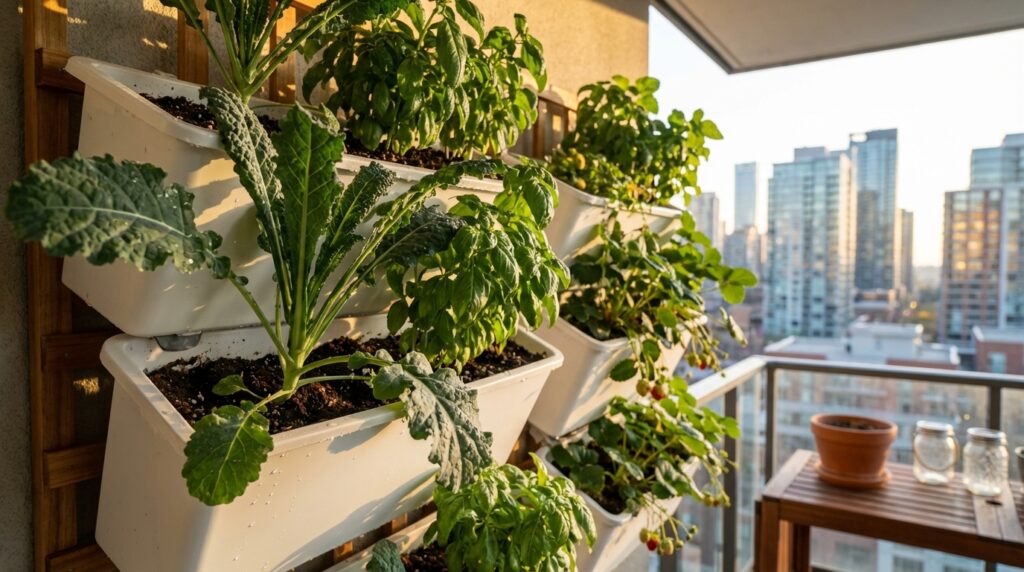
Choosing between a felt-pocket wall and an aeroponic tower is about balancing your home layout with your goals for self-sufficiency. Felt-pocket systems are the classic choice for turning a boring hallway or patio into a lush, breathing tapestry of greenery. These living walls use moisture-wicking fabric to hold plants in place, making them perfect for herbs and leafy greens that thrive on consistent hydration. While they look stunning and help purify your indoor air, keep in mind that they often require a bit more attention to prevent water from dripping onto your floors. They are the ideal entry point if you want a beautiful, natural aesthetic without a massive footprint.
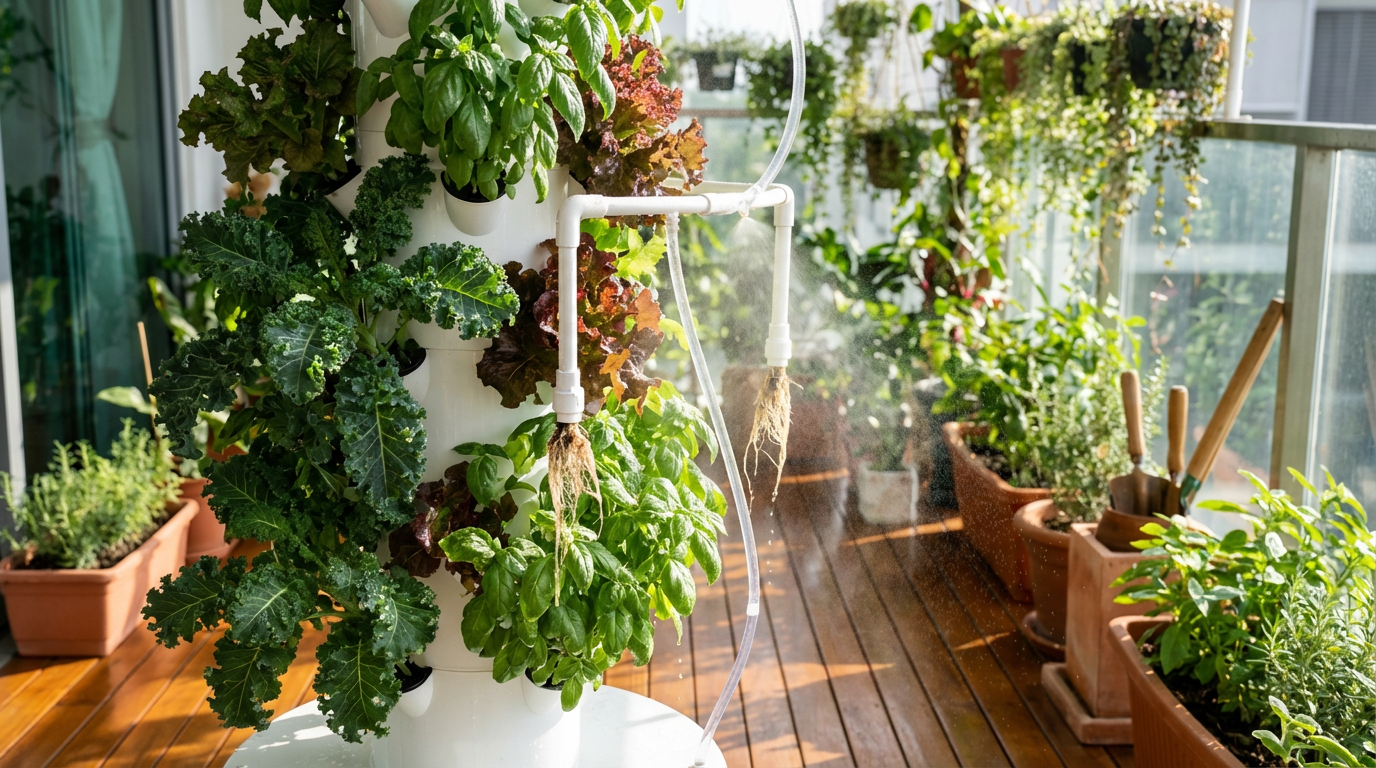
If you are serious about growing your own food supply with maximum efficiency, aeroponic towers are the heavy hitters of the vertical gardening world. These systems ditch the soil entirely, using a central column to mist plant roots with a nutrient-dense water solution. You can grow massive harvests of tomatoes, cucumbers, and kale in just a few square feet of space. Because they rely on a pump and timer, they take a lot of the guesswork out of daily maintenance. They might look a bit more industrial than a felt wall, but the growth speed and yield are hard to beat for anyone focused on clean eating.
Deciding which setup fits your lifestyle depends on whether you prioritize visual charm or high-volume food production. Felt walls blend seamlessly into your decor and provide a calming, earthy vibe that makes any room feel more alive. On the other hand, towers are built for the person who wants a literal farm in their living room or balcony. Both systems help you break free from the grocery store supply chain while using a fraction of the water required for traditional dirt gardening. Pick the one that matches your space and start taking control of what ends up on your dinner plate.
Climbing Trellises and Green Façade Supports
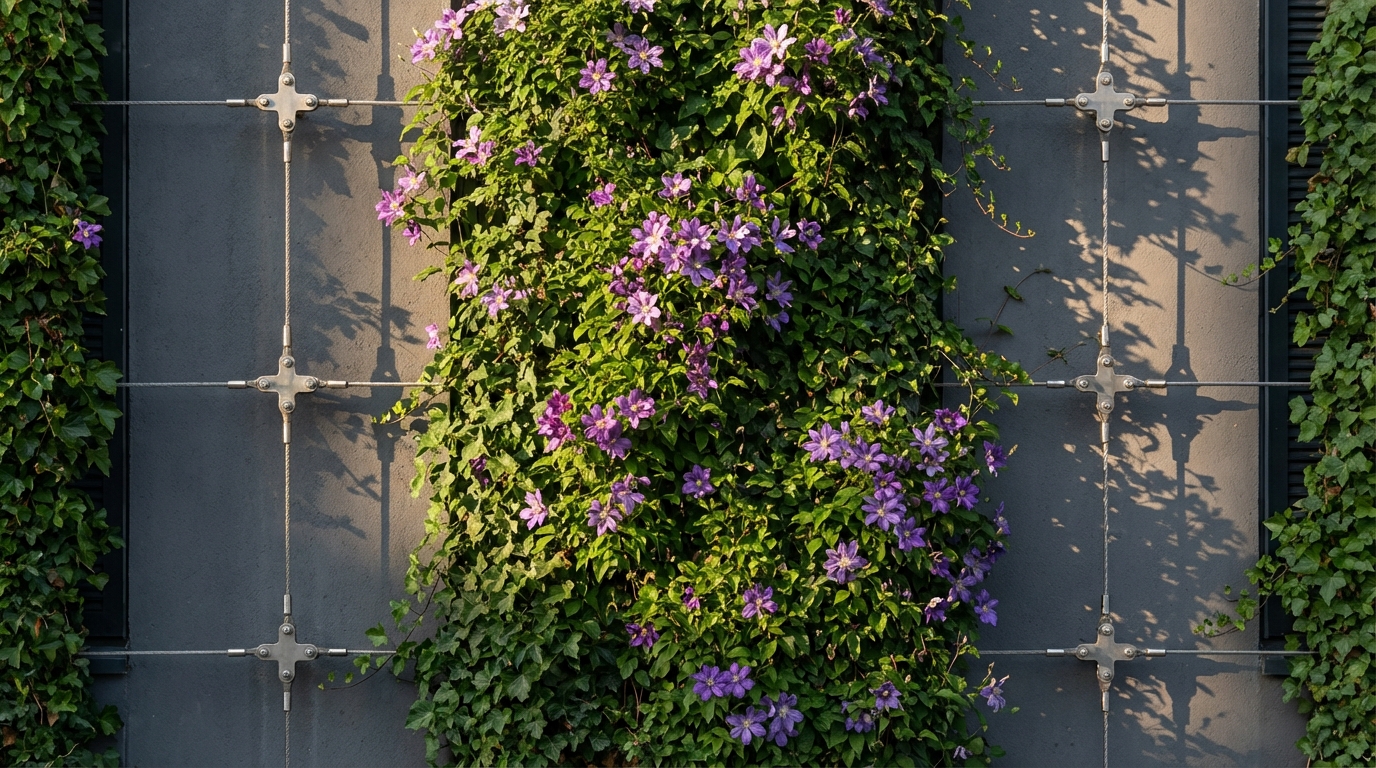
Climbing trellises and wire netting are the ultimate shortcuts to turning a boring exterior wall into a powerhouse of self-sufficiency. You do not need a massive backyard or expensive hydroponic setups to grow enough food to make a dent in your grocery bill. By installing simple wire supports, you can guide heavy producers like pole beans, peas, and even small melons to grow upward toward the sun. This setup keeps your fruit off the ground, which naturally prevents rot and keeps pests from throwing a party in your harvest. It is a rugged, low cost way to take control of your food supply while adding a layer of natural insulation to your home.
Wire mesh and cattle panels are much tougher than those flimsy plastic lattices you see at big box stores. You want a system that can handle the weight of a full harvest without buckling under the pressure of a summer storm. These vertical supports create a green facade that acts as a living shield, cooling your home during the heat of the day and providing a private, edible sanctuary. It is about working smarter with the space you already have, turning every square foot of vertical brick or siding into a productive asset. If you are tired of relying on fragile supply chains, this is how you build a resilient garden that literally grows with you.
Integrating these vine based systems into your lifestyle is one of the most honest ways to ensure your family is eating clean, nutrient dense food. You can skip the marketing fluff found on organic produce stickers when the greens are growing right outside your kitchen window. These systems are easy to maintain once they are anchored properly, requiring just a bit of pruning and occasional guidance for the wandering tendrils. Even if you are a bit skeptical about your gardening skills, these hardy climbing plants are designed by nature to thrive and take over. It is a straightforward, high energy solution for anyone serious about health and emergency preparedness in a crowded world.
Self-Sufficient Hydroponic Vertical Growing Kits
Self-sufficient hydroponic kits are the ultimate shortcut for anyone tired of the endless cycle of weeding, tilling, and praying for rain. These systems ditch the dirt entirely, using a recirculating flow of nutrient-rich water to feed your plants exactly what they need when they need it. You can finally stop worrying about soil-borne pests or poor ground quality because the controlled environment does the heavy lifting for you. It is a plug and play solution that fits perfectly in a kitchen corner or on a small balcony, turning unused space into a high-yield food pharmacy. By stacking your crops upward, you get ten times the harvest without needing a massive backyard or a tractor.
You might be skeptical about the “set it and forget it” promise, but these automated setups are designed to cut through the complexity of traditional gardening. Most kits feature integrated timers and pumps that manage the hydration cycles, meaning your only real job is checking the water level once a week. This level of automation is a massive advantage for busy people who want clean, organic greens but do not have hours to spend in the sun. You get the peace of mind that comes with food security without the physical toll of manual labor. It is about working smarter, not harder, to ensure your family has access to fresh produce regardless of what is happening at the local grocery store.
Investing in a vertical hydroponic system is a bold move toward true self-reliance and better health. When you control the water and the nutrients, you eliminate the need for nasty chemical pesticides and mysterious fertilizers. These systems accelerate growth rates significantly, often producing harvest-ready salads and herbs in half the time of conventional methods. You are not just growing food; you are building a resilient lifestyle that prioritizes nutrition and independence. It is a transparent, effective way to take back control of your food supply while keeping your living space modern and green.
Recommended Vertical Gardening Systems on Clickbank
You are probably tired of seeing flashy sales pages promising a grocery store in your living room with zero effort. The truth is that many digital guides on Clickbank act like vertical gardening is a magic trick rather than a biological process. We have interrogated the top DIY blueprints and automated system manuals to see what actually grows and which ones actually help you build a resilient food source. Most of these guides claim to save you thousands, but we look for the ones that provide actual structural integrity and clear plumbing schematics. You need a system that survives a pump failure or a heatwave, not just a pretty set of shelves that looks good for a weekend.
Building a high yield tower requires more than just stacking some plastic buckets and hoping for the best. We dig deep into the httpsco links to find the creators who understand nutrient density and water oxygenation for self sufficiency. Some of these digital products are nothing more than recycled blog posts, while others offer genuine engineering insights for off grid living. You deserve to know if a blueprint requires expensive power tools or if you can actually assemble it with basic items from a local hardware store. We prioritize systems that emphasize clean eating and emergency preparedness over those that just focus on aesthetic green walls.
The best vertical gardening systems on the platform are the ones that respect your time and your wallet. We look for transparent instructions that include troubleshooting sections for common pests and pH imbalances. If a guide spends forty pages on fluff and only five pages on the actual build, we are going to call it out immediately. Our goal is to ensure you spend your money on a system that produces real calories and enhances your family’s food security. You can skip the marketing hype and get straight to the grit of what makes a vertical garden thrive in a small space.
Claim Your Food Freedom with Vertical Growth
Choosing the right vertical gardening system is the ultimate power move for your health and self-sufficiency. You do not need a massive backyard or a specialized degree to start producing clean, nutrient dense food right in your kitchen or on your balcony. Whether you opt for a simple pocket wall or a more advanced hydroponic tower, the goal is to take control of your food supply. Stop relying on grocery store produce that has been sitting in a truck for weeks. By selecting a setup that fits your daily routine, you turn an empty wall into a living pantry.
The market is flooded with overhyped gadgets, so you have to be smart about where you invest your hard earned cash. We recommend looking for systems that prioritize ease of use and durability over flashy marketing promises. If you are serious about long term food security, focus on setups that allow for easy nutrient management and consistent water flow. You want a system that works for you, not a high maintenance chore that ends up in the trash after one season. A solid vertical garden is an investment in your independence and your physical well being.
If you are ready to stop talking and start growing, check out the top rated kits at httpsco to find a reliable match for your home. These products have been vetted to ensure they actually deliver on their promises of high yields and low water waste. You can finally skip the pesticides and the high prices of organic labels by harvesting your own greens today. It is time to cut through the noise and build a sustainable source of nutrition that keeps your family healthy. Take the leap now and watch your vertical garden transform your lifestyle from the ground up.
Frequently Asked Questions
1. Are vertical gardening systems actually worth the high price tag?
Most commercial systems are just overpriced planters wrapped in fancy marketing. You only get your money’s worth if you choose a setup that matches your specific goals, like a high yield aeroponic tower or a simple living wall for air quality.
2. Can I really grow enough food to lower my grocery bill?
You absolutely can, but you have to pick the right tech. Aeroponic towers are the heavy hitters here because they mist roots with nutrients to produce massive harvests of kale, tomatoes, and cucumbers in record time.
3. Do living walls make a mess inside my house?
Felt pocket systems look stunning, but they can be a maintenance nightmare if you are not careful. You need to stay on top of the moisture levels to prevent water from dripping onto your floors or damaging your walls.
4. Is it hard to grow plants without any soil?
It sounds like science fiction, but it is actually easier once you get the hang of it. Aeroponic systems do the heavy lifting by delivering nutrients directly to the roots, which cuts out the weeds and soil borne pests that usually kill your garden.
5. Which system is best for a small apartment with no balcony?
Felt pocket living walls are your best bet for tight spaces because they turn any blank wall into a vertical garden. They are perfect for herbs and leafy greens, giving you a lush look without stealing your precious floor space.
6. How much time will I spend maintaining these vertical setups?
It depends on the system, but we are looking for efficiency, not a second job. While felt pockets need regular watering checks, high tech towers are designed to automate the hard work so you can focus on eating the harvest rather than fixing the plumbing.