
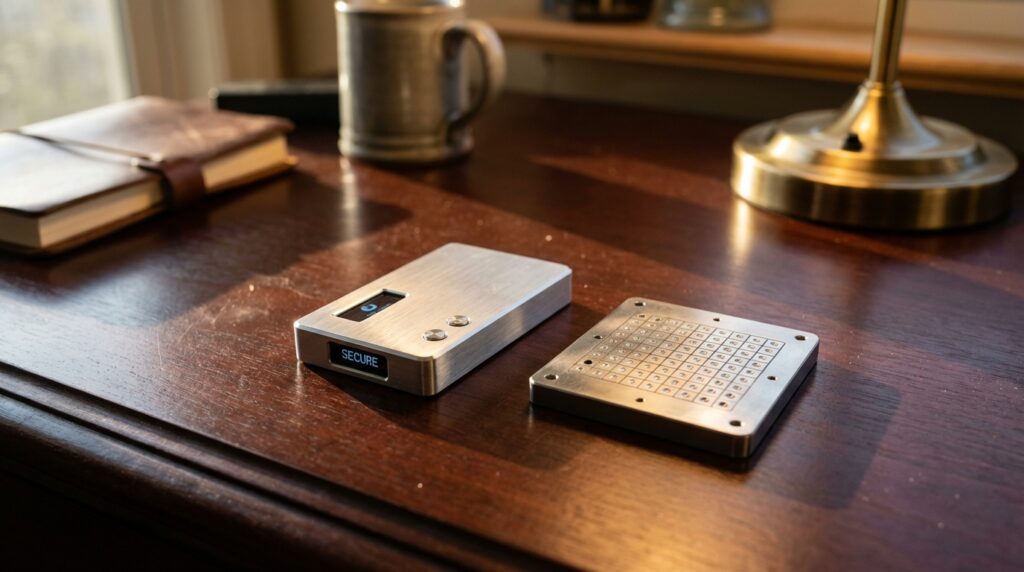
Leaving your life savings on an exchange is like keeping your front door unlocked in a bad neighborhood and hoping for the best. If you aren’t using crypto cold storage solutions, your private keys are sitting on the internet just waiting for a bored hacker or a platform collapse to wipe you out. These offline devices act as a digital vault, keeping your assets disconnected from the web so they can’t be drained while you sleep. Most people lose more Bitcoin to their own mistakes than to actual theft, but a solid hardware wallet fixes that by forcing you to be the gatekeeper.
You don’t need a computer science degree to stop being a target. You just need to cut the cord. We’ve waded through the marketing fluff to find the devices that actually protect your stack without making you jump through unnecessary hoops. Whether you want a rugged Bitcoin-only fortress or a sleek card that fits in your wallet, the goal is the same: total control. Stop trusting the system and start trusting your own encrypted hardware.
Key Takeaways
- Keeping crypto assets on an exchange or software wallet exposes your private keys to internet-based threats, whereas hardware wallets provide essential air-gapped security by isolating keys offline.
- Physical interaction is the gold standard of security; hardware devices require manual confirmation for every transaction, creating a physical roadblock that remote hackers cannot bypass.
- Your 24-word recovery seed phrase is the true key to your wealth and must be protected using durable materials like stainless steel to survive physical disasters like fire or flood.
- Choosing between hardware options depends on your lifestyle, with card-based NFC solutions offering seamless mobility and traditional screen-based devices providing tactile, battle-tested reassurance.
Why Hardware Wallets Beat Hot Software Wallets
Hot software wallets live on your phone or browser, which means they are constantly shaking hands with the internet and every digital drainer lurking on it. While MetaMask and Coinbase Wallet are convenient for quick trades, they leave your private keys exposed to malware and phishing attacks that can empty your balance in seconds. Hardware wallets flip the script by keeping your sensitive data entirely offline and physically isolated from any network connection. This air-gapped security ensures that even if your computer is crawling with viruses, your assets remain out of reach. You wouldn’t leave your life savings in a glass box on a busy street corner, so stop treating your crypto any differently.
Physical devices like the Tangem card or the Coldcard Mk4 use dedicated Secure Element chips to keep your private keys locked away in a digital vault. These chips are designed to resist physical tampering and sophisticated side-channel attacks that software-only solutions simply cannot handle. When you want to move funds, you must physically interact with the device to sign the transaction, giving you the final say over every penny. This manual confirmation step acts as a physical roadblock for hackers who are used to automated, remote exploits. It is the gold standard for anyone serious about protecting their Bitcoin, Ethereum, or Solana holdings for the long haul.
Investing in a crypto cold storage solution is the only way to truly own your digital wealth without the constant anxiety of a potential hack. While hot wallets are great for small amounts of spending money, they are a disaster waiting to happen for your primary portfolio. Hardware wallets provide a clear recovery path through seed phrases or backup cards, ensuring you can regain access even if you lose the physical device. You get the peace of mind that comes with professional-grade security without needing a computer science degree to set it up. Protecting your investment is your responsibility, and these devices are the most reliable tools in your arsenal to get the job done right.
Comparing Tangem Ledger and Trezor Security Features
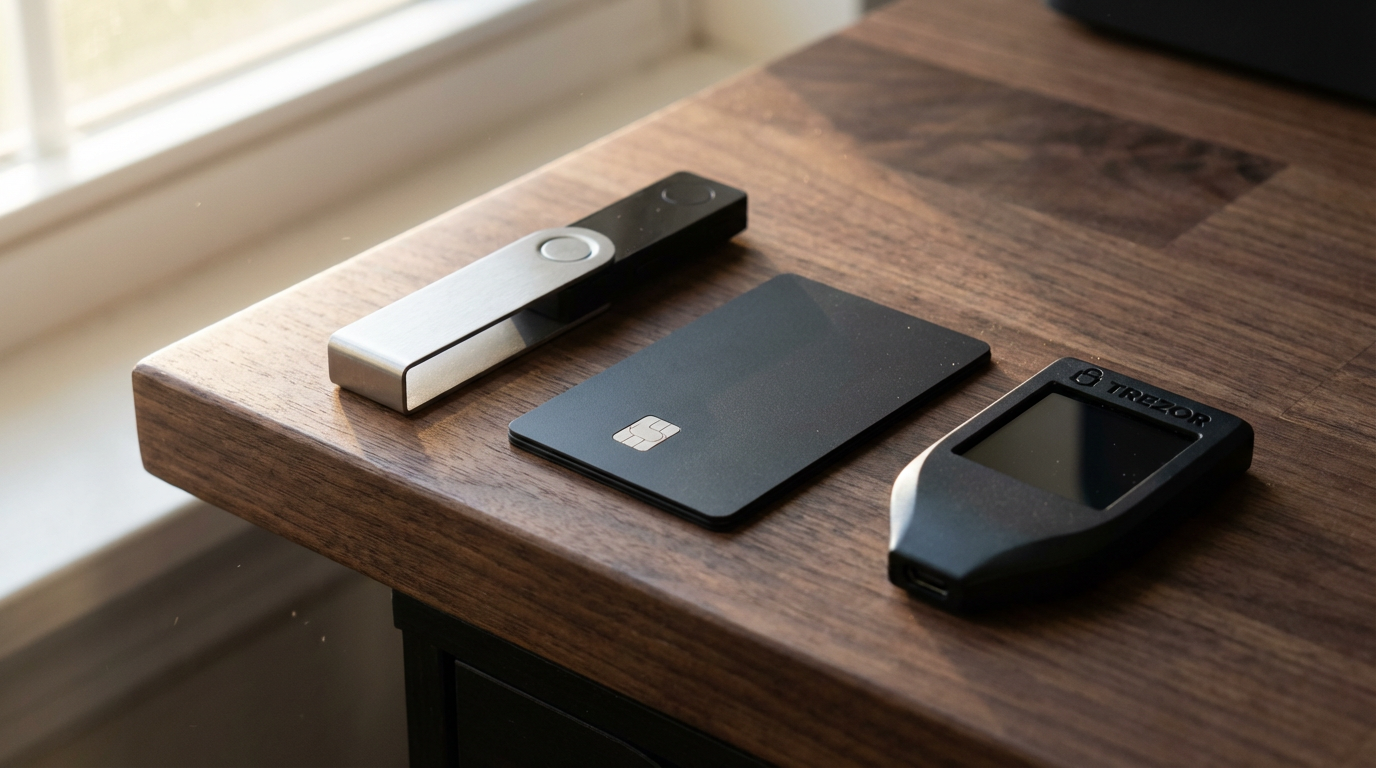
Tangem is a major disruptor in the cold storage space because it ditches the clunky cables and tiny screens for a sleek, card-based interface. You simply tap the card against your phone to sign transactions using NFC technology, making it the most intuitive option if you hate fiddling with hardware. It relies on a high-grade Secure Element chip to keep your private keys offline, which means you get top-tier protection without the usual technical headache. This wallet is perfect if you want to manage Bitcoin, Ethereum, and Solana on the go without carrying a mini-computer in your pocket. Because there is no battery to die or charging port to break, it offers a level of durability that traditional devices just cannot match.
Ledger and Trezor represent the classic guard of crypto security, favoring the familiar screen and button setup that many veterans swear by. These devices act like a digital vault for your assets, requiring you to physically press buttons to confirm every move you make. While they provide a deep sense of control, they can feel a bit cumbersome if you are used to the speed of modern mobile apps. You have to deal with firmware updates and potential cable failures, but the trade-off is a battle-tested ecosystem that has protected billions in assets for years. If you prefer a dedicated piece of hardware that looks and feels like a high-tech security tool, these traditional wallets are likely your best bet.
Choosing between these titans really comes down to whether you value seamless mobility or physical confirmation. Tangem wins on pure convenience and stealth, while the classic screen-based wallets offer that tactile reassurance some investors need to sleep at night. Both solutions effectively air-gap your private keys from the internet, which is the only way to truly protect yourself from remote hacks and exchange collapses. You should consider how often you plan to move your funds and whether you want a device that fits in your physical wallet or one that sits in a literal safe. Regardless of your pick, moving your coins off an exchange and into one of these devices is the smartest move you will ever make.
Essential Seed Phrase Protection and Recovery Tactics
Securing your hardware wallet is only half the battle because your 24-word seed phrase is the real keys to the kingdom. If you scribble those words on a scrap of paper and toss it in a junk drawer, you are practically begging for a disaster. Fire, floods, or even a curious toddler can turn your life savings into digital dust in seconds. You need to treat this backup like a high-security asset rather than a grocery list. Serious investors use stainless steel backup tools to ensure their recovery codes can survive a house fire or extreme physical damage.
Managing these codes does not have to feel like a movie, but you must be disciplined about it. Never, under any circumstances, take a photo of your seed phrase or store it in a cloud-based note app. Hackers love lazy security habits, and your digital footprint is the first place they will look. Instead, consider splitting your backup into multiple locations or using a passphrase for an extra layer of protection. This way, even if someone finds your physical backup, they still cannot touch your Bitcoin or Ethereum without that final piece of the puzzle.
When you finally set up your Tangem or Coldcard, take a breath and verify your backup before sending over your entire portfolio. Run a recovery test by wiping a small amount of test funds and restoring the wallet to prove your phrase actually works. It feels a bit paranoid at first, but that skepticism is exactly what keeps your money safe in a world full of scammers. You want to be the person who sleeps soundly knowing their assets are untouchable regardless of what happens to their hardware device. Trust the process, verify the results, and keep your physical backups locked away from prying eyes.
Take Full Sovereignty Over Your Wealth
Securing your digital wealth is not about following the latest hype or trusting a flashy exchange with your life savings. Real security means cutting the cord and moving your private keys into a cold storage environment where hackers cannot reach them. Whether you choose the rugged, Bitcoin only focus of the Coldcard Mk4 or the sleek simplicity of a Tangem card, the goal remains the same. You are reclaiming total sovereignty over your assets by ensuring that your seeds never touch an internet connected device. It is the only way to truly protect yourself from the next big platform collapse or sophisticated phishing scam.
Stop leaving your financial future up to chance or the honesty of a third party provider. Moving to a hardware wallet might feel like an extra step, but that small bit of friction is what keeps your portfolio safe while you sleep. We have seen too many people lose everything because they were too lazy to set up a proper air gapped system. Investing in a quality device like those from Ledger or Trezor is a tiny price to pay for the peace of mind you get in return. Take your coins off the grid today and start acting like the true owner of your digital kingdom.
Frequently Asked Questions
1. What exactly is crypto cold storage and why should I care?
Cold storage is a way to keep your private keys completely offline and away from the reach of hackers. If you keep your coins on an exchange or a phone app, you are basically leaving your front door open. Moving to hardware means you are the only one with the keys to your vault.
2. Are hardware wallets hard to set up if I am not a tech genius?
You do not need a computer science degree to take control of your money. Most modern devices are designed to be plug and play, guiding you through the setup in just a few minutes. We cut through the marketing fluff to find the tools that protect your stack without making you jump through hoops.
3. Why can I not just use a free software wallet like MetaMask?
Software wallets are always shaking hands with the internet, which makes them easy targets for malware and phishing attacks. A hardware wallet keeps your sensitive data physically isolated from any network connection. It is the difference between keeping your life savings in a glass box on the street or a locked safe in your basement.
4. What happens if I lose my physical hardware wallet device?
Your money is not actually inside the plastic device, it lives on the blockchain. As long as you have your recovery seed phrase written down and stored safely, you can load your wallet onto a new device and get your coins back. The hardware is just the key, not the vault itself.
5. Is there a difference between a Bitcoin-only wallet and a multi-coin card?
Some devices like the Coldcard act as a rugged fortress specifically for Bitcoin, while others like the Tangem card are sleek and fit in your actual wallet. You should choose based on whether you want a specialized tool for your BTC or a versatile card that handles all your different assets. Both options beat leaving your keys on a vulnerable exchange.
6. Can a hacker still drain my funds if I use cold storage?
Since your keys never touch the internet, a remote hacker cannot touch your assets while you sleep. The only real risk is if you give away your recovery phrase or physically lose both the device and your backup. You are the final gatekeeper, which is exactly how it should be.