You’ve seen the ads for those glowing masks and panels claiming to solve everything from stubborn wrinkles to chronic knee pain. It sounds like science fiction, but red light therapy devices are backed by serious clinical data showing they can recharge your cells and kickstart natural healing. We’re cutting through the marketing fluff to see if these gadgets actually deliver on the promise of thicker hair and faster recovery.
Stop wondering if you’re just paying for a fancy desk lamp and start looking at the actual biological impact. Whether you’re dealing with nagging inflammation or just want to boost your skin’s collagen without a needle, the right wavelength makes all the difference. We’ve interrogated the top-tier options to find out which ones provide professional-grade results at home and which ones are just expensive glow-sticks.
Key Takeaways
- Red light therapy works by stimulating mitochondria to produce ATP, providing the cellular energy necessary to accelerate tissue repair and reduce inflammation.
- Effective treatment requires specific wavelengths: 660nm for surface-level skin rejuvenation and 850nm for deep-tissue and joint pain relief.
- Quality devices must provide high irradiance, typically at least 100mW/cm2, to ensure light energy actually penetrates the skin rather than acting as a simple mood light.
- Consistency is the essential factor for success, as biological shifts like collagen production and hair growth require regular sessions over several weeks to manifest visible results.
How Red Light Therapy Devices Stimulate Cellular ATP
Think of your mitochondria as the tiny power plants living inside your cells that keep everything running smoothly. These little guys are responsible for producing ATP, which is the fuel your body uses to repair skin and soothe aching muscles. When you use a red light therapy device, you are essentially giving these power plants a much-needed caffeine kick without the jittery crash. The 660nm red light hits the surface to revive your skin, while the 850nm near infrared light dives deep into your tissues. This process clears out the cellular gunk that slows you down, allowing your body to heal at a much faster rate.
We have all seen the over-the-top marketing claims, but the science behind this cellular wake-up call is solid. When those specific wavelengths hit a photoreceptor called cytochrome c oxidase, it triggers a massive boost in energy production. It is not magic, it is just a biological reaction to concentrated light. You get more collagen, less inflammation, and a quicker recovery time after a tough workout. We love things that actually work, and stimulating your ATP is the most honest way to get real results.
Choosing the right device means finding one that actually delivers these specific wavelengths instead of just glowing pretty colors. Many cheap knockoffs promise the world but fail to provide the intensity needed to trigger this mitochondrial response. You want a tool that feels sturdy and puts out enough power to actually penetrate your skin and reach the cellular level. If the device cannot stimulate that ATP production, you are basically just sitting in a dark room with a red nightlight. Stick to the specs that matter and ignore the fluff so you can actually feel the difference in your energy levels.
Real World Results For Skin And Pain Relief
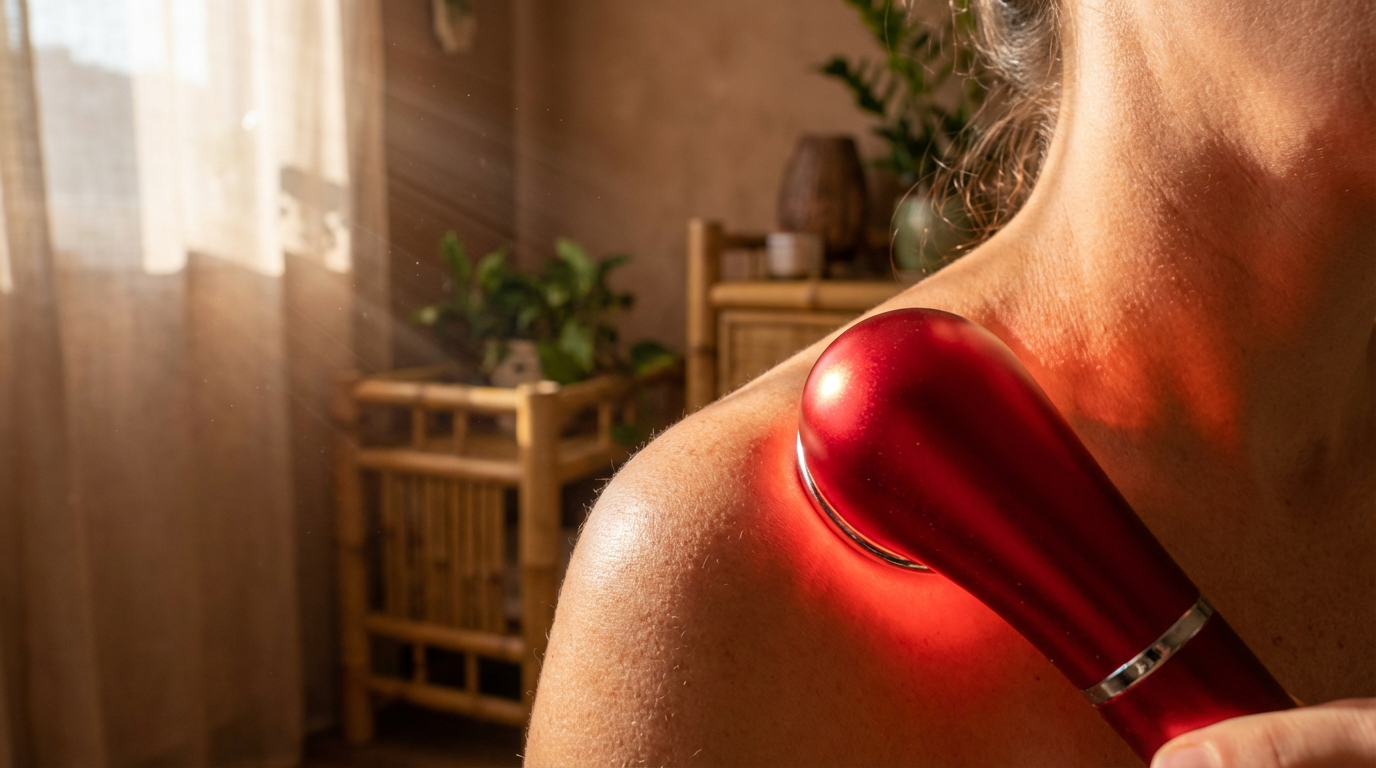
You have probably seen these glowing red panels all over your social media feed lately promising everything from eternal youth to a pain free life. While the marketing hype is thick enough to cut with a knife, the science behind red light therapy is solid. These devices work by sending specific wavelengths of light deep into your cells to kickstart your mitochondria, which are essentially the tiny power plants in your body. This process boosts energy production at a cellular level without the risks of heat damage or nasty UV rays. It is not just mood lighting, it is a biological jumpstart for your skin and muscles.
When it comes to your complexion, these devices act like a specialized construction crew for your collagen levels. Regular use can help smooth out those stubborn fine lines and even calm the angry redness of persistent acne breakouts. Several clinical trials show that this light helps skin cells repair themselves much faster than they would on their own. You might not wake up looking ten years younger overnight, but the steady improvement in texture and tone is hard to ignore. It is a rare case where the reality actually keeps pace with the bold claims made on the sales pages.
If you are dealing with achy joints or the daily grind of chronic pain, this technology offers a surprisingly effective way to find relief. Research indicates that red light therapy can significantly reduce the disability caused by knee osteoarthritis and the crushing fatigue of fibromyalgia. By lowering inflammation and encouraging blood flow to damaged tissues, the light helps soothe those deep aches that ice packs cannot reach. You do not have to be a professional athlete to benefit from the cellular repair these devices provide. It is a straightforward, non invasive tool that helps you get back to moving comfortably without relying solely on a pill bottle.
Choosing The Right Irradiance and Wavelength Specs
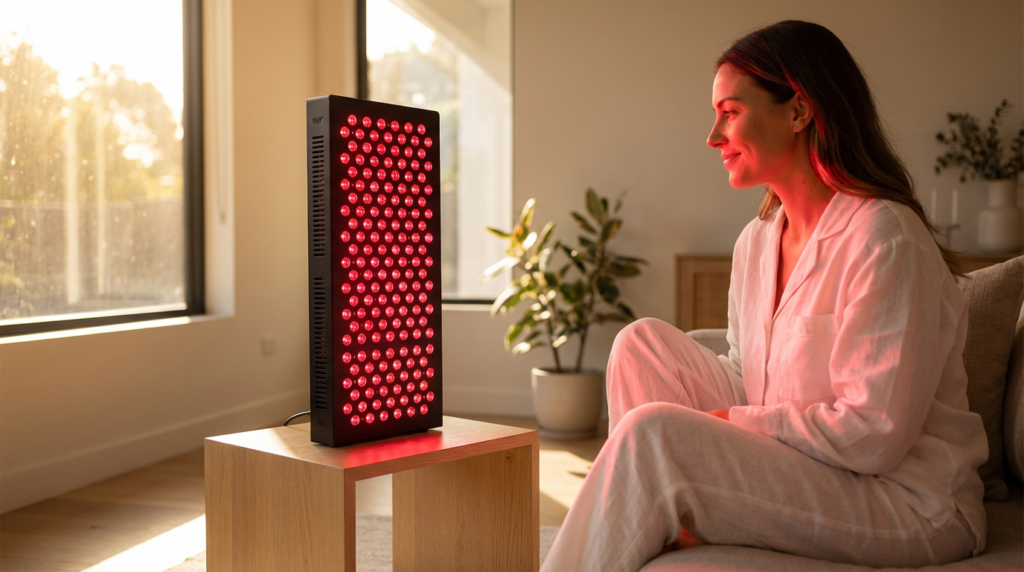
Don’t let those flashy marketing photos of glowing red panels fool you because the real magic happens in the technical specs. You need to look for a device that offers the specific wavelengths: 660nm for skin surface repair and 850nm for deep tissue penetration. Cheap knockoffs often use low quality bulbs that barely scratch the surface or emit light that doesn’t even fall within the therapeutic range. If a company isn’t transparent about their specific light spectrum, they are likely hiding a weak product behind a pretty plastic shell. We want to see a targeted approach that actually triggers your mitochondria rather than just acting as an expensive mood light.
Irradiance is the next heavy hitter you need to interrogate to ensure you are getting your money’s worth. This measurement tells you how much power is actually hitting your skin at a specific distance, which is the difference between a five minute session and an hour of wasted time. High quality devices should deliver at least 100mW/cm2 at a distance of six inches to ensure the light energy actually reaches your cells. Beware of brands that claim high power but don’t provide a third party solar meter reading to back it up. You deserve a tool that packs a punch so you can get back to your day without being tethered to a wall forever.
Spotting a fake is easier when you stop listening to the hype and start looking at the power draw from the wall. A device might claim to have 1000 watts of power, but if it only pulls 50 watts from your outlet, the math simply doesn’t add up. Cheap manufacturers love to inflate these numbers to trick tired shoppers who just want relief from pain or better skin. Always check for flicker free technology and low electromagnetic field (EMF) output to keep your recovery session safe and effective. It is your health on the line, so demand a device that respects your intelligence and your wallet.
Final section: Conclusion

Deciding whether to drop your hard earned cash on a red light therapy device comes down to your personal health goals and your patience for a routine. These gadgets are not magical wands that fix every ache overnight, but the science backing mitochondrial repair and collagen production is getting harder to ignore. If you are struggling with stubborn joint pain, thinning hair, or skin that has lost its glow, the data suggests this technology offers more than just a placebo effect. You are essentially buying a tool that helps your cells work more efficiently without the risks of harsh chemicals or invasive procedures. It is a solid investment for the proactive biohacker who is tired of temporary fixes and wants to address wellness at a cellular level.
We have waded through the marketing fluff and flashy sales pages to find what actually delivers results for your daily life. You should skip the cheap, underpowered knockoffs that clutter discount sites and focus on high quality panels or targeted wraps that provide the right light intensity. While the initial price tag might sting more than a basic desk lamp, the long term savings on expensive spa treatments and physical therapy sessions can be significant. Consistency is the secret sauce that turns these devices from a dusty shelf ornament into a valuable health asset. If you are ready to commit to a few minutes of daily light exposure, you will likely find that the benefits to your skin and energy levels are worth every penny.
Bring Cellular Repair Into Your Home
Red light therapy is no longer a futuristic secret reserved for high end clinics and elite athletes. You can now bring this cellular repair technology right into your living room to tackle everything from stubborn wrinkles to nagging joint pain. These devices work by sending specific wavelengths deep into your tissues to wake up your mitochondria and kickstart natural healing. While the marketing hype can feel overwhelming, the science shows real promise for boosting collagen and reducing inflammation. You just need to make sure you are using a device with the right power output to actually see results.
Cutting through the fluff reveals that consistency is the biggest factor in whether these gadgets actually work for you. You cannot expect a miracle after one session, but sticking to a routine can lead to thicker hair and faster recovery from workouts. Many products on the page promise the world, so you have to stay sharp and look for those specific wavelengths like 660nm and 850nm. We have seen plenty of overhyped junk, but a quality red light setup is a legitimate tool for your wellness kit. It is about working smarter with your biology rather than just buying into another flashy health trend.
If you are ready to stop guessing and start healing, it is time to grab a device that actually delivers on its claims. You deserve a product that respects your time and your wallet without the usual sales gimmicks. Check out the top rated options at httpsco to find a reliable light that fits your specific needs and lifestyle. Taking control of your cellular health is a bold move that pays off in how you look and feel every day. Do not let the skeptics hold you back from a science backed upgrade to your daily routine.
Frequently Asked Questions
1. Is red light therapy actually real science or just a fancy light show?
It is a biological reality, not a marketing trick. Specific wavelengths like 660nm and 850nm trigger a chemical reaction in your mitochondria to produce more ATP energy. You are essentially giving your cells the fuel they need to repair skin and muscles at a faster rate.
2. What is the difference between red light and near-infrared light?
Red light at 660nm stays near the surface to handle skin issues like wrinkles and collagen production. Near-infrared light at 850nm dives deep into your tissues to tackle inflammation and joint pain. The best devices use a combination of both to give you a full body tune-up.
3. Can I just use a regular red light bulb from the hardware store?
Not if you actually want results. Standard bulbs do not have the power or the precise wavelengths needed to reach your cells. You need a targeted device that delivers concentrated light to trigger the actual healing process in your body.
4. How long does it take to see real results from these devices?
While your cells start charging up immediately, visible changes in skin or hair usually take regular sessions over several weeks of consistent use. Think of it like a gym routine for your cells where consistency is the key to seeing a difference. You cannot expect a miracle overnight, but the biological shift happens every time you flip the switch.
5. Are these devices safe to use at home by yourself?
Yes, these are non-invasive and do not use harmful UV rays or heat. As long as you follow the timing guidelines and do not overdo it, they are a safe way to boost your health from your couch. It is professional-grade technology that has finally been stripped of the high spa price tag.
6. Why do my mitochondria need this extra light energy?
Modern life, stress, and aging can gunk up your cellular power plants and slow down your natural healing. Red light therapy clears out that cellular sludge and gives your mitochondria a massive energy boost. This extra power allows your body to fix damage and reduce inflammation much more efficiently than it can on its own.