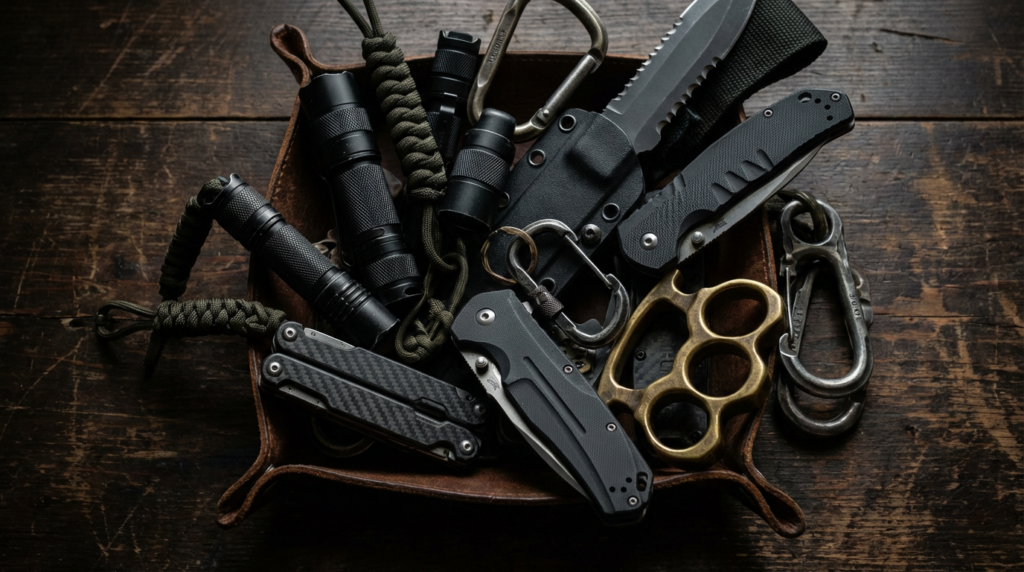
Most of the tactical edc gear you see on social media is just expensive jewelry for people who never leave their desks. You do not need a gold-plated pry bar or a Rambo knife to survive a trip to the grocery store or a flat tire. What you actually need are rugged, reliable tools that work when your adrenaline is spiking and your hands are shaking. We are cutting through the tactical-cool nonsense to find the 20% of gear that actually handles 80% of real-world emergencies.
True preparedness is not about looking like a commando. It is about having a Dad-Ops setup that balances self-defense with everyday utility. Whether it is a streamlined holster that does not dig into your gut or a tourniquet you can actually deploy with one hand, your kit should be invisible until it is essential. We have interrogated the latest medical kits, flashlights, and multi-tools to see which ones are worth your hard-earned cash and which ones are just marketing fluff. Stop collecting shiny gadgets and start building a loadout that prioritizes function over everything else.
Key Takeaways
- Prioritize the ’80/20 rule’ by carrying the 20% of gear—like a slim concealed handgun, high-lumen flashlight, and multi-tool—that handles 80% of real-world emergencies.
- Medical gear is a non-negotiable essential; prioritize a one-handed tourniquet and hemostatic gauze over aesthetic gadgets to address life-threatening trauma.
- Adopt a ‘Dad-Ops’ mindset that values discreet, functional, and comfortable gear over ‘tactical-cool’ social media trends that are often just expensive jewelry.
- Gear is a supplement to skill, requiring regular training and practice to ensure you can deploy your tools instinctively under high-stress conditions.
Essential Defensive Tools For Real World Survival
When the adrenaline hits and your heart starts racing, you do not need a piece of gear that looks pretty on Instagram. You need a tool that clears your holster without snagging and stays functional even when your hands are shaking. We have seen too many people buy into the hype of bulky, over-engineered gadgets that end up sitting in a drawer because they are too uncomfortable for daily use. Real world survival is about the 80/20 rule, which means carrying the 20 percent of gear that handles 80 percent of potential threats. Your setup should prioritize a slim concealed handgun like a Glock 43X paired with a reliable holster that actually disappears under a t-shirt.
Stop falling for the marketing fluff that says you need to look like a desert commando just to grab a cup of coffee. Practical defense is moving toward a Dad Ops style where your gear is discreet, legally compliant, and incredibly fast to deploy. A high quality pepper spray or a compact tourniquet like the Snakestaff ETQ often provides more utility in an urban environment than a massive fixed blade knife. We interrogate every piece of equipment to ensure it can withstand the grit of daily life without failing when it matters most. Focus on durable items that offer a natural grip and intuitive controls so you can act by instinct rather than fumbling with complicated switches.
True preparedness is not about how much money you spend but how well you can use what you have under pressure. You should look for tools that serve a dual purpose, such as a high lumen flashlight that can both identify a threat and provide a physical striking surface if needed. It is also vital to remember that a tool is only as good as your training, so choose gear that encourages regular practice sessions. Avoid the flashy junk and stick to proven brands that have a track record of reliability in high stress situations. Keeping your EDC simple and effective ensures that you stay ready for anything without feeling weighed down by useless weight.
Trauma Kits And Medical Gear That Saves Lives
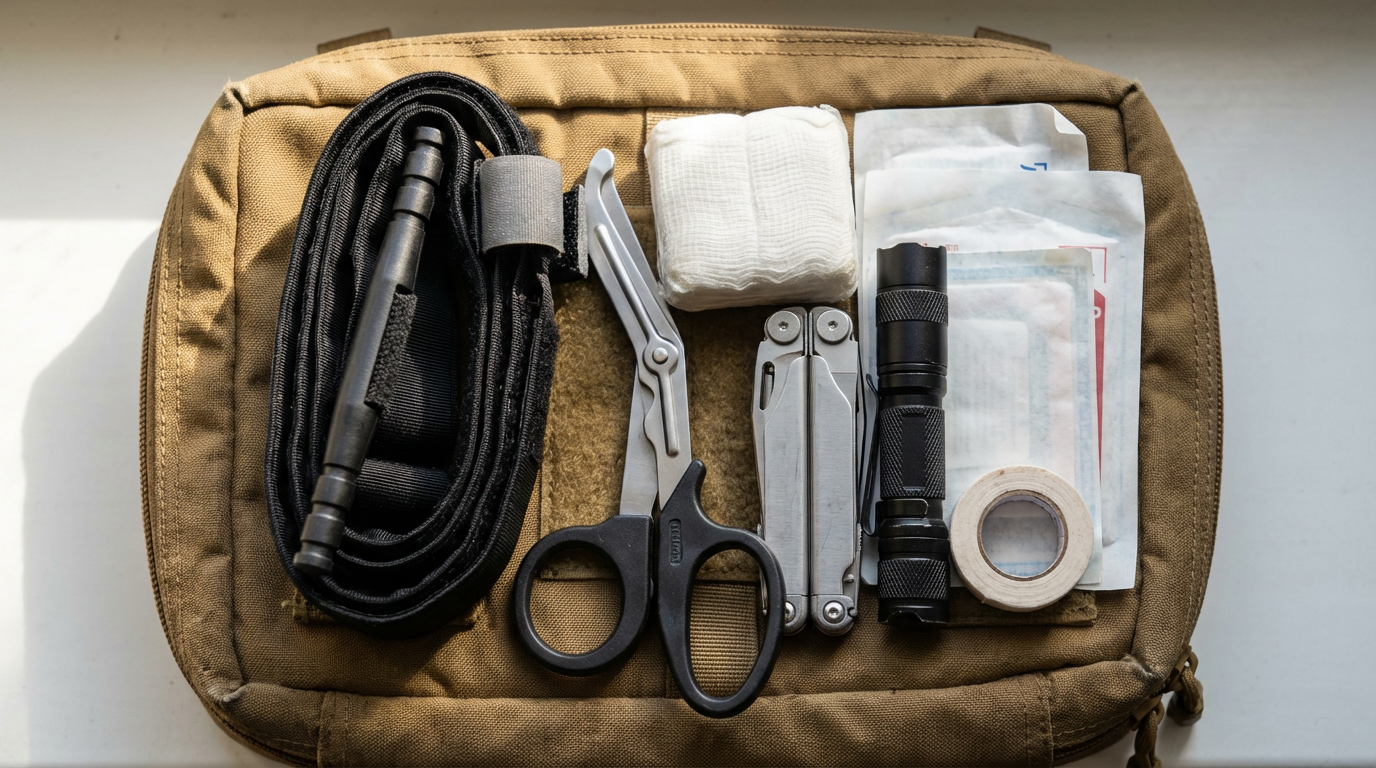
Carrying a fancy titanium pry bar might look cool for your social media feed, but it will not do much for you when a real emergency strikes. You need to prioritize gear that actually saves lives rather than just opening boxes or looking shiny on your keychain. A high quality tourniquet, like the Snakestaff ETQ Gen 2, is a non negotiable addition to your daily setup because massive bleeding can become fatal in mere minutes. While most people focus on tools for tasks they do every day, the smart move is preparing for the one bad day you hope never happens. Stop obsessing over the aesthetics of your pocket dump and start focusing on the medical essentials that bridge the gap between an accident and professional help.
Blood loss is the leading cause of preventable death in trauma situations, which makes QuikClot gauze far more valuable than any multi tool. This specialized gauze is treated with agents that help blood clot faster, allowing you to pack a wound and stop heavy bleeding effectively. You should also consider adding a pair of compact trauma shears to your kit so you can quickly remove clothing and get to the injury site. These items are lightweight and take up very little space in a pocket or a small EDC pouch. It is about the 80/20 rule of utility, where you carry the small amount of gear that covers the most critical life safety needs.
Owning the best medical gear on the market is only half the battle if you do not know how to use it under pressure. You need to practice deploying your one-handed tourniquet and understand the basics of wound packing before you actually need those skills. Many modern EDC enthusiasts are shifting toward a practical Dad Ops mindset that values real world readiness over tactical fashion. This means choosing durable, proven tools like a Streamlight Protac for visibility and keeping your medical gear non-negotiable essential within easy reach at all times. Investing in a little bit of training will ensure that your gear serves its purpose when seconds count the most.
Utility Multi-Tools And High Lumen Lighting Essentials
When you strip away the marketing fluff and the tactical-cool labels, your everyday carry setup really comes down to the 80/20 rule. You need tools that handle eighty percent of your daily frustrations without weighing down your pockets like a bag of bricks. A solid folding knife or a multi-tool like the Leatherman Wave Alpha is your first line of defense against stubborn packaging and loose screws. These items prioritize raw function over flashy aesthetics, ensuring you have a reliable edge when it actually matters. We look for gear that feels natural in the hand and holds up under real pressure.
Lighting is the other half of the utility equation that most people overlook until they are stuck in the dark. You do not need a massive spotlight to be prepared, but a high lumen torch from a brand like Streamlight is a non negotiable essential. These compact flashlights cut through the gloom of a parking garage or a sudden power outage with ease. We prefer models that offer simple interfaces so you are not fumbling through strobe modes during a genuine emergency. A good light is about more than just seeing your keys, it is about identifying potential threats before they get close.
Finding the sweet spot between price and performance is where most shoppers get tripped up by shiny sales pages. You want gear that survives a drop on the pavement but does not cost as much as a monthly mortgage payment. We interrogate every claim of military grade materials to see if the tool actually holds its own in a standard pocket. Focus on the basics like durability and ease of carry rather than chasing every new gadget that hits the market. True preparedness is about having the right tool within reach when life throws you an unexpected curveball.
Keep Your Kit Lean and Practical
Building a tactical EDC setup is easy, but keeping it practical is where most people fail. You do not need to look like you are heading into a war zone just to grab a cup of coffee or commute to work. Focus on the 80/20 rule by carrying the twenty percent of gear that handles eighty percent of your daily needs. A solid folding knife and a reliable Streamlight are infinitely more useful than a dozen niche gadgets you will never touch. Keep your kit lightweight so you actually carry it instead of leaving it on the nightstand.
Owning the most expensive Tier 1 holster or a Garmin Tactix watch means nothing if you lack the skills to use them under pressure. We see too many guys collecting shiny tools while ignoring the reality of medical and defensive training. You should prioritize learning how to pack a wound with QuikClot or deploy your pepper spray effectively during a high stress encounter. Gear is just a supplement to your capabilities, not a replacement for them. Spend less time browsing catalogs and more time practicing your draw and deployment.
Legal compliance is the final reality check that many enthusiasts conveniently forget until it is too late. Knife laws and concealed carry regulations change the moment you cross state lines, so you must stay informed to avoid unnecessary trouble. Your gear should solve problems rather than create new legal headaches for you. Ensure your setup is discreet enough to blend into your local environment while remaining functional. True preparedness is about being smart, staying mobile, and having the right mindset to handle whatever comes your way.
Frequently Asked Questions
1. What is the most important thing to look for in tactical EDC gear?
Stop looking for flashy gadgets and focus on reliability and comfort. You need tools that are rugged enough to work when your hands are shaking but slim enough that you actually carry them every single day.
2. Do I really need a tourniquet for a trip to the grocery store?
Accidents and emergencies do not check your schedule before they happen. Carrying a medical kit with a one-handed tourniquet is about being a prepared adult who can handle a crisis instead of just watching it happen.
3. Why should I avoid the tactical-cool gear I see on social media?
Most of that stuff is just expensive jewelry designed to look good in photos rather than perform in a fight. Real survival gear prioritizes function over fashion and cuts out the marketing fluff that only adds weight to your pockets.
4. Is a large multi-tool better than a small one for daily carry?
Bigger is rarely better when it comes to EDC because bulky tools usually end up left in a drawer. Stick to the tools that handle the common 80 percent of real world problems without digging into your hip or weighing down your pants.
5. How do I choose a holster that I will actually wear?
Look for a streamlined design that disappears under a standard t-shirt and does not snag when you draw. If a holster is uncomfortable or bulky, you will eventually stop wearing it, which makes it completely useless when you need it most.
6. What is the Dad-Ops approach to gear?
It is a practical mindset that balances self-defense with everyday utility without making you look like a desert commando. You want a loadout that stays invisible until it is essential, allowing you to move through the world with quiet confidence.