
You’ve seen the filtered photos of sunsets from a van door and barefoot coders on Balinese beaches, but nobody talks about the actual receipts. The truth is that the nomadic lifestyle cost in 2026 isn’t a magical hack to escape your bills; for most people, it’s just swapping a stationary landlord for a rotating list of expenses. Whether you’re eyeing a kitted-out Sprinter or a backpack and a passport, you need to know if your bank account can actually survive the transition.
Forget the live for free myths you’ve been fed by influencers trying to sell you a dream. Real-world data shows that between surging fuel prices, satellite internet subscriptions, and maintenance surprises, your monthly burn often mirrors a standard apartment budget. We are cutting through the marketing fluff to dissect what it really takes to stay on the road without going broke. It is time to look at the cold, hard numbers before you trade your zip code for a GPS coordinate.
Key Takeaways
- The nomadic lifestyle is rarely a cost-saving hack; it is a lateral financial move where fixed rent is simply replaced by variable expenses like fuel, maintenance, and international health insurance.
- A sustainable domestic van life budget requires $1,500 to $2,000 per month, while international costs range from $1,200 in budget hubs to over $3,500 in premium European cities.
- Reliable internet and specialized international health coverage are non-negotiable infrastructure costs that must be prioritized to prevent professional and financial catastrophe.
- Long-term success depends on building a portable, automated digital income stream rather than attempting to pinch pennies or rely on dwindling savings.
Domestic Van Life And Road Travel Expenses
Transitioning to a vehicle-based lifestyle sounds like the ultimate freedom hack, but your bank account needs a reality check before you hit the road. While you are ditching a traditional rent check, you are essentially trading a landlord for a gas pump and a mechanic. For a balanced lifestyle that includes a mix of free public land and the occasional paid campsite, you should expect to shell out between 1,500 and 2,000 dollars every month. This covers your basic survival needs while ensuring you are not just surviving on beans in a parking lot. You need to view your van as a moving business expense if you plan to fund this journey through a side hustle or e-business.
Fuel will likely be your most volatile expense, often eating up 300 to 600 dollars of your monthly budget depending on how fast you want to see the world. If you are constantly chasing the next horizon, your wallet will feel the burn much faster than if you settle into a boondocking spot for a week. Many new nomads overlook the critical maintenance fund, which should be a non-negotiable line item in your spreadsheet. Experts suggest setting aside at least 100 to 200 dollars every month specifically for unforeseen repairs or tire replacements. Without this safety net, a single mechanical failure can instantly end your dream of living the laptop lifestyle.
Success in this space requires more than just a cozy bed in the back of a van, it requires a sustainable income stream that can withstand the ups and downs of travel. Investing in high-quality digital training is the smartest way to ensure your monthly expenses are covered without stress. You can find proven strategies for building an online income by checking out the resources available at httpsco. These programs are specifically designed to help you bridge the gap between a traditional job and a nomadic career. Once your income is automated and reliable, the monthly costs of domestic travel become much easier to manage and predict.
International Digital Nomad Monthly Budget Tiers

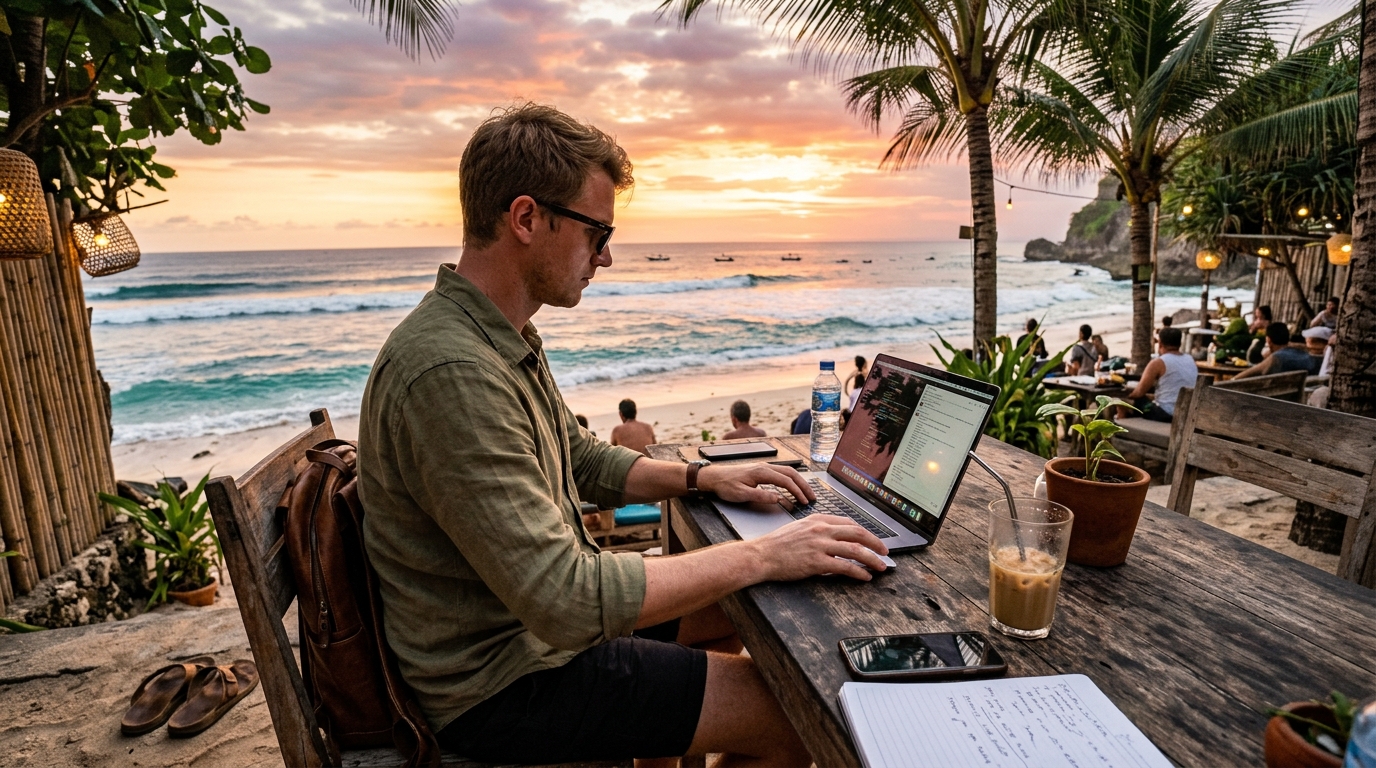
Transitioning to an international laptop lifestyle requires you to get real about the cold, hard numbers, as your zip code determines your burn rate. In affordable hubs like Southeast Asia or parts of Latin America, you can live a high-quality life on a lean budget of $1,200 to $1,800 per month. This tier covers a modern studio apartment, daily local meals, and enough leftover cash for motorbike rentals or ride-share apps. While these regions offer incredible value, you are essentially trading Western convenience for a more rugged, adventurous daily flow. It is the perfect entry point for those just starting their side hustle who need to keep overhead low while they scale their income.
Moving your operations to high-end European cities or major Western hubs shifts you into a premium budget tier of $3,500 to $5,000 per month. In cities like Lisbon, Berlin, or Amsterdam, housing alone can eat up half of your budget, and local transportation usually relies on pricey monthly train passes. You get the benefit of world-class infrastructure and reliable high-speed internet, but the financial pressure is significantly higher. This lifestyle is rarely a way to save money compared to a standard apartment back home, making it more of a lateral financial move for established business owners. You need a proven revenue stream before committing to these international costs and expensive regions to avoid burning through your savings too quickly.
Scaling your income to match these global price tags is the only way to make the nomadic dream sustainable without constant financial stress. Instead of just cutting costs, you should focus on building a digital business that generates the cash flow required for total geographic freedom. Many successful nomads jumpstart this process by following structured training like the 12 Minute Affiliate System available at httpsco to build automated income streams. Having a reliable monthly payout allows you to choose your destination based on your vibe rather than just your bank balance. When your business is dialed in, you can pivot from a budget hub to a luxury European city without blinking at the price tag.
Hidden Recurring Costs Of Remote Living
Transitioning to a laptop lifestyle sounds like a dream until you realize that your standard health insurance probably won’t cover you once you cross international borders. You need specialized international health coverage that follows you from country to country, and this isn’t a cost you can afford to skip if you value your safety. These premiums can easily eat up a few hundred dollars of your monthly budget, especially if you want a plan that includes emergency evacuation. It is the kind of unsexy expense that many influencers leave out of their highlight reels, but it is a non negotiable reality for any serious remote worker. Failing to account for this can turn a minor medical issue into a financial catastrophe that ends your journey before it even starts.
Reliable internet is the lifeblood of your side hustle, and you quickly learn that free hotel Wi-Fi rarely cuts the mustard for professional video calls. To keep your business running smoothly, you will likely find yourself paying for premium coworking space memberships or nomad internet alternatives with international roaming. These costs add up fast, often totaling more than your home internet bill ever did. You are essentially paying a reliability tax to ensure you never miss a deadline or a client meeting while you are on the move. Investing in a solid data setup is not just an expense, it is a critical infrastructure cost for your digital career.
If you are worried about how to cover these recurring fees while building your empire, you need a proven roadmap to generate consistent income. I highly recommend checking out the 12 Minute Affiliate system at httpsco to see how you can automate your earnings and fund your new lifestyle. This platform cuts through the fluff and gives you a direct path to the commissions you need to pay for those coworking desks and insurance premiums. Instead of guessing how to make the math work, you can use a structured system to build a business that supports your freedom. Taking this step now ensures that your nomadic dream is built on a solid financial foundation rather than wishful thinking.
Funding Your Freedom With Proven Side Hustles
Transitioning to a nomadic lifestyle in 2026 is rarely the massive cost-saving hack that social media influencers claim it to be. Whether you are eyeing a rugged van life setup or international slow travel, your monthly expenses will likely mirror your current rent or mortgage once you factor in fuel, connectivity, and maintenance. We have dissected the data and it is clear that most people need a reliable income stream of at least two thousand dollars a month to keep the wheels turning without constant stress. Shifting your mindset from saving your way to freedom to earning your way there is the only way to make this sustainable. You need a financial engine that works as hard as you do so you can actually enjoy the view when you finally arrive.
Bridging the gap between your current savings and a realistic nomadic budget requires more than just a dream and a laptop. We have interrogated the most popular online business models and filtered out the fluff to find what actually puts money in your pocket. By leveraging Clickbank verified training programs, you can skip the expensive trial and error phase that drains most beginners’ bank accounts. These systems are designed to help you build a scalable e-business that covers your high speed internet, campground fees, and emergency repairs. You can find these vetted resources through our direct link affiliate name httpsco to ensure you are getting legitimate instruction rather than marketing hype.
Building an online side hustle is not about getting rich overnight, but about creating a portable paycheck that follows you across borders. We have seen every secret hack and limited time offer out there, and most are just noise designed to separate you from your cash. The reality is that successful nomads use sustainable passive income frameworks like affiliate marketing or digital product creation to fund their adventures. These specific models allow you to work from a folding chair in the desert or a cafe in Lisbon without being tied down to a corporate clock. It is time to stop guessing at your budget and start building the income stream that makes the nomadic lifestyle a permanent reality.
The Real Cost of the Road
The nomadic lifestyle is rarely the dirt-cheap escape that influencers portray on your social media feed. In reality, transitioning to full-time travel is usually a lateral financial move where you simply swap your fixed rent for variable costs like fuel, data plans, and short-term rentals. While you might save a few bucks by boondocking on public land, those savings often get eaten up by vehicle maintenance or the higher cost of living in tourist hubs. You have to be honest with yourself about the numbers because freedom still comes with a monthly invoice that needs to be paid.
True freedom does not come from pinching pennies in a van, but from building a portable income that exceeds your expenses. Instead of obsessing over how to live on less, you should focus your energy on creating an e-business that funds the life you actually want to lead. There are proven frameworks designed to help you bridge the gap without falling for the typical marketing fluff. If you are ready to stop dreaming and start earning, check out the top-rated digital business courses on Clickbank at httpsco to find a roadmap that actually works.
Taking the leap requires more than just a backpack and a sense of adventure; it requires a solid financial strategy. You do not want to be the person who has to head back to a cubicle after six months because your savings account hit zero. By investing in your own skills and learning how to leverage the laptop lifestyle, you turn travel into a sustainable reality rather than a temporary vacation. Your transition starts the moment you decide to treat your income as a mobile asset rather than a location-dependent paycheck.
Frequently Asked Questions
1. Is nomadic life actually cheaper than renting an apartment?
Not necessarily, because you are basically swapping a landlord for a gas pump and a mechanic. While you skip the rent check, your monthly burn for a balanced lifestyle typically hits between 1,500 and 2,000 dollars. Between surging fuel prices and maintenance surprises, your bank account often feels the same pressure as it did back home.
2. How much should I budget for fuel every month?
Expect fuel to be your most volatile expense, likely eating up 300 to 600 dollars of your budget. If you are constantly chasing new horizons, you will feel the burn much faster than if you settle into a single spot for a few weeks. Slowing down is the best way to keep your wallet from hemorrhaging cash while on the road.
3. What are the hidden costs of living in a van?
Beyond the obvious fuel and food, you have to account for internet subscriptions, laundry, and the inevitable mechanical failures. Maintenance is not an if but a when, so you need a dedicated emergency fund for those moments your home on wheels decides to quit. These small line items add up quickly and can wreck a poorly planned budget.
4. Do I need to pay for campsites every night?
You can find plenty of free public land for boondocking, but most nomads eventually want a hot shower or a level spot. A realistic budget includes a mix of free spots and the occasional paid campsite to keep your sanity intact. Relying solely on free parking often leads to burnout and unnecessary stress.
5. Can I really work a remote job while traveling?
Yes, but you have to treat your vehicle like a moving business expense rather than just a bedroom. Reliable internet is a non-negotiable cost if you plan to fund your journey through a side hustle or e-business. If your connection fails, your income stops, making connectivity your most important utility.
6. Is it possible to live on the road for less than 1,000 dollars a month?
Living on a shoestring budget is possible, but it usually means sacrificing comfort and staying stationary for long periods. Most people find that a sub-1,000 dollar budget feels more like surviving on beans in a parking lot than living a dream. For a sustainable lifestyle that does not feel like a constant crisis, you need a more robust financial cushion.