

Love bombing usually looks like a whirlwind: a flood of compliments, gifts, and texts that show up long before you’ve earned that kind of attention. Think “you’re my soulmate” by week two, or a bouquet delivered the morning after a first date. The National Domestic Violence Hotline lists overwhelming a partner with compliments and gifts, then using them to manipulate, as a red flag for emotional abuse. That’s serious stuff, so let’s separate the signal from the noise.
Intensity alone doesn’t prove much. Plenty of people are just excited, and that’s fine. The real red flags show up when affection comes packed with pressure, like demands for constant replies, rushed intimacy, or someone checking where you are. A 2023 study in Personal Relationships surveyed 65 people who had experienced gaslighting in relationships lasting at least four months, and it found love-bombing most often at the start. The researchers also warned that telling it apart from a healthy early romance can be tough. So let’s dissect the patterns and skip the fluff.
Key Takeaways
- Love bombing usually looks like a flood of compliments, gifts, and texts that arrive long before you’ve earned that kind of attention, but speed alone is not proof that someone is a manipulator.
- A partner who sulks, argues, or guilt-trips you when you say no or make plans with friends is showing a real red flag, not just an enthusiastic start.
- Judge the whole pattern rather than one big gesture by checking whether your no is respected, whether your friends and hobbies stay yours, and whether the warmth stays steady over time.
- Tell the person plainly that you want to slow down and watch for a week, because a respectful partner adjusts while someone running a script pushes harder.
- If the pressure, monitoring, or guilt keeps growing, you can reach out to a domestic violence helpline, and you don’t need proof or a dramatic story to ask for support.
What Does Love Bombing Look Like in the First Weeks?
Love bombing in the first weeks usually means far more attention than the relationship has earned. Think a flood of compliments, gifts, and messages that arrive faster than you can keep up with, long before you two have built any real trust.
Here’s what it can look like in real life:
Texts within hours. You meet on Friday, and by Saturday morning there are already several messages. By Tuesday, it’s a “good morning” text every day and a “can’t stop thinking about you.” – Forever talk after a few dates. Someone brings up moving in together, meeting your parents, or “our future kids” after a handful of dinners. – Grand gestures too soon. A bouquet sent to your office, an expensive gift after the second date, or a surprise drop-in at your apartment when you never invited them.
A 2025 review in the Journal of Family Violence found that some survivors described this same pattern in the initial weeks or months, including frequent attention, gifts, and unannounced visits. In some of those accounts, the flood of affection came alongside efforts to pull the person away from friends and family.
Speed is a clue, not a verdict. Plenty of people get swept up early because they’re excited, lonely, or just wear their feelings on their sleeve. A fast start doesn’t make someone a manipulator.
What matters is what the attention is doing. Does it leave you feeling pressured to reply right away? Do you feel guilty when you make plans with your friends? If your “no” gets a sulk or a guilt trip, pay attention.
Flattering texts that leave you giddy are one thing. Affection that leaves you feeling like you owe something back is another. Notice which one you’re dealing with.
Is Intense Affection Always a Red Flag?

Not automatically. Plenty of people are simply enthusiastic, and a big gesture in week two doesn’t make someone a manipulator. The real question is what the affection is doing to your life.
Excessive attention is the bait, not the trap. The concerning version shows up when warmth comes packaged with something else, like pressure, boundary violations, monitoring, isolation, or a sudden flip from sweet to cold. One loving text is just noise. A loving text followed by a cold shoulder when you don’t reply fast enough is a signal.
In one 2023 survey of 65 people who had experienced gaslighting, love-bombing showed up in the majority of responses. It was most common at the start, and the researchers admitted it can be hard to tell apart from a healthy early romance. So you can’t rely on how big the gesture feels. You have to look at the pattern.
Ask yourself these questions instead:
– Do they accept your no? If you skip a date and they accept it, that’s a good sign. If they argue, guilt you, or keep pushing, that’s a problem. – Do you still have your own life? Friends, hobbies, and time alone should stay yours without a debrief or a sulk. – Are you being checked on? Asking where you are is one thing. Tracking your location, reading your messages, or demanding passwords is another. – Does the warmth depend on your compliance? Affection that disappears the moment you set a limit is a bargain, not a feeling.
A genuinely excited partner adjusts when you say, “Hey, can we slow down a little?” They might feel disappointed, but they respect the request. Someone running a script pushes harder, and the affection usually comes back only when you give in.
Which Pressure Signs Should Make You Pause?
The pressure signs that should make you pause are rushed physical intimacy or commitment, constant reply demands, urgency about big decisions, guilt about your life outside the relationship, and pressure that grows whenever you ask to slow down. Any one of them deserves attention. Two or more showing up alongside the flattering texts deserves a serious look.
Here’s what to watch for:
- Sex, exclusivity, or moving in pushed before you’ve had time to know them.
- Sulking or accusations when you take a while to reply.
- Pressure to make a big decision, like booking a trip together or sharing a lease, before you feel ready.
- Guilt trips when you make plans with friends, family, or your own hobbies.
- Escalating urgency every time you say you want to slow down.
Rushing is the first one to catch. You’ve known each other a few weeks, and they’re already talking about locking things in. Your body and your timeline get to set the pace, not their excitement. A person who respects you can wait for you to catch up.
Next, look at your phone. Everyone likes a quick reply, but a person who needs one within minutes is showing you how they handle a little distance. If you take a few hours to answer and get a “guess I’m not a priority” message, that’s not romance. That’s a scorecard.
Then there’s the guilt. You say you’re seeing your friends on Saturday, and suddenly you’re hearing, “So you’d rather be with them than me?” Your life outside the relationship shouldn’t need a permission slip. Partners who are genuinely into you are happy you have things that fill your days.
The clearest test is what happens when you say, “Hey, can we slow down a bit?” A respectful person says okay, maybe with a little disappointment, and then backs off. A pressure pattern gets louder. You get more texts, more “I thought you felt the same,” and more hurt feelings you’re expected to fix. If the push grows the more you ask for space, you’re not imagining it.
Signs of Monitoring, Isolation, and Control
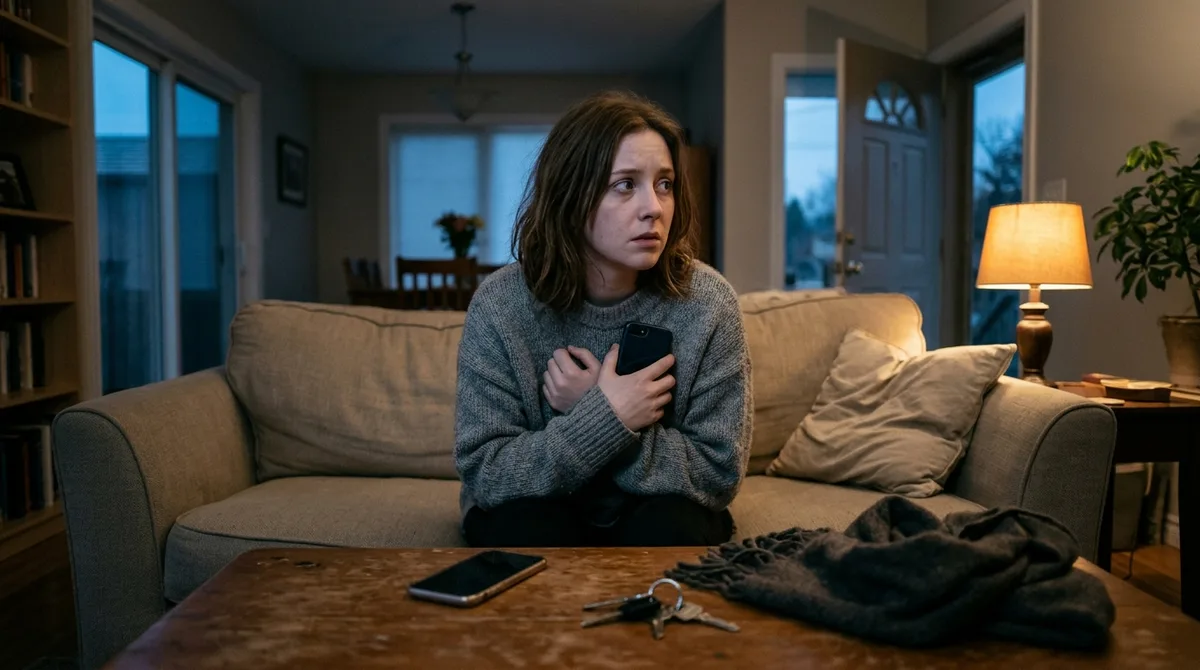
Now let’s talk about control, because this is where early affection starts to cross a line. Wanting to know how your day went is normal. Needing to track every move you make is not romance. It’s monitoring with a heart emoji attached.
Checking your location is one of the clearest signs. Watch for someone who asks where you are every few hours, wants you to share your live location, or quizzes you about who you were with the second you mention a coworker. Some people also go through your phone, your messages, or your social media accounts, sometimes while you’re in the room, sometimes when you’ve stepped away. If you’re asked for passwords early on, you’re not dealing with a sweet, clingy partner. You’re dealing with someone who wants a view into your life.
Unannounced visits are another warning sign. You say you’re tied up tonight, and they show up at your building anyway because they “were in the area.” Each surprise drop-in makes it harder to keep any space that’s just yours, and it teaches you that your no doesn’t count.
Isolation usually doesn’t arrive all at once. It creeps in through small comments and sulks:
– You feel guilty every time you make plans with friends. – Your family gets labeled as “nosy” or “against us.” – Your weekend plans start getting a “so you’d rather be with them?” reaction.
The trick is that it often gets packaged as romance. “I just want you all to myself.” “Your friends don’t get what we have.” It sounds sweet, but if your circle keeps shrinking while their place in your life keeps growing, that’s not devotion. That’s control.
The 2025 review of 31 studies on women’s experiences of coercive control describes survivors who saw early love bombing arrive alongside efforts to limit contact with friends and family. So the flowers and the phone checks may be part of the same pattern, not two separate issues.
Control rarely announces itself. It shows up as “I just worry about you” or “I need to know you’re safe,” which sounds caring until it’s the reason you can’t go anywhere without a text update. Pay attention to how the affection feels when you ask for privacy. Real care respects your boundaries. Control punishes you for having them.
Why Do Gifts and Praise Come With Strings Attached?
Gifts and praise come with strings attached when someone uses them to make you feel you owe something back. The sweetness is real on the surface, but the bill shows up later.
Experts who run a major domestic violence helpline flag this pattern as a red flag for emotional abuse: overwhelming someone with compliments and gifts, then using them to manipulate. Here’s how it often plays out. Your partner buys you an expensive jacket, then later says, “After everything I’ve done for you, I figured you’d be more willing to see my side.” You never agreed to a trade, yet suddenly you’re in debt.
Watch for these patterns:
– Gifts followed by guilt. The present comes first, then a lecture about how little you appreciate them. – Reminders of what they did for you. Every favor gets logged, and you hear about it every time you disagree. – Expectations you never agreed to. They assume you’ll pay for every dinner, drop your plans on short notice, or skip your friend’s birthday.
Then comes the swing. Lavish attention arrives, then vanishes. One day you’re buried in texts and plans, and the next you’re getting silence, a cold shoulder, or a clipped “fine, do what you want.” That warm-to-cold cycle does the real work. When you finally go along with what they want, the warmth comes back, and you learn that agreeing is the price of affection.
So ask yourself a blunt question: did you feel free to decline a gift, or say no to a plan, without paying for it later? If turning down a present brings a sulk, and saying no brings days of silence, the gift was never really a gift. It was a loan with a hidden interest rate.
Love Bombing or Genuine Interest: A Side-by-Side Check

Sometimes the fastest way to tell the difference is to see both patterns side by side. Read each row and ask which column your own relationship sounds more like.
| Area | Healthy partner | Love bomber |
|---|---|---|
| Pace | Respects the speed you’ve said you want and waits for you to catch up. | Pushes past your limits with talk of forever after a few dates. |
| Attention | Stays steady, so a busy week is followed by a normal week. | Swings between smothering and cold, and the warmth returns only after you give in. |
| Gifts | Gives freely, and a polite “no thanks” is accepted without a sulk. | Expects something back and brings up old favors when you disagree. |
| Independence | Encourages your friends, hobbies, and family time. | Discourages or monitors your friends, hobbies, and phone use. |
| Response to “no” | Accepts it, maybe with a bit of disappointment, then moves on. | Argues, sulks, or escalates until you give in. |
One row on its own is not proof. A person might be a terrible texter, or a sulk might come from a rough day. Everyone slips sometimes, and a single off moment shouldn’t end a relationship.
Several rows pointing the same way are a different story. If the pace, the attention, and the reaction to “no” all lean toward the right-hand column, you’re looking at a pattern, and that deserves your full attention.
Try this quick exercise. Think about the last time you turned something down, whether it was a date, a gift, or a plan with friends. Which column did their reaction land in? Be honest with yourself, because the answer tells you more than any flowers ever will.
Slow Down, Watch the Pattern, and Protect Your Space
Start with your notes app. Write down the last three times you said no to something: a date, a gift, a night out with friends. Next to each one, jot down exactly what happened after. Was there a shrug, a sulk, a guilt trip, or days of silence?
Then run one honest test. Tell the person, in plain words, that you want to slow things down, whether that’s the texting pace or how often you see each other. Give it a week and watch. A respectful partner adjusts, even if they’re a little disappointed. Someone running a script pushes harder.
Check your phone too. Open the location sharing settings and see who can see where you are. If you never agreed to that, turn it off. Look at any shared accounts, and change any password someone asked for that you didn’t want to give.
If the pressure is climbing, or you feel scared to say no, talk to a friend you trust, and reach out to a domestic violence helpline. You don’t need proof or a dramatic story to ask for support. If the problem is someone tracking your devices or accounts, Australia’s eSafety Commissioner is one place to look for help with tech-based abuse.
Frequently Asked Questions
1. Can someone love bomb you without meaning to?
Yes. Plenty of people pour on attention because they’re excited, nervous, or have never learned to pace a new relationship. Intent matters less than the effect, so if their enthusiasm comes with pressure or a sulk when you slow down, that pattern deserves your attention no matter what they meant.
2. How long should a new relationship go before you feel safe?
There’s no magic number of weeks that proves someone is safe or unsafe. What matters more is whether your no is respected, whether your friends and plans stay yours, and whether the warmth stays steady as time passes. If those things hold up over months, that tells you far more than the calendar does.
3. Can love bombing happen in friendships, not just romance?
Yes. A friend can flood you with texts, constant invitations, and “you’re the only one who gets me” talk, then sulk when you spend time with other people. Use the same test: do they respect your limits, or does closeness come with guilt and pressure attached?
4. What should you do if you think you’re the one love bombing someone?
Start by slowing down and asking the other person how the pace feels to them, without getting defensive. Notice whether you use gifts or constant texts to get a reply, or whether you sulk when plans change. Letting them set the speed and owning the habit early makes it much easier to fix.
5. Is love bombing a sign of cheating?
Not on its own. Intense attention early on can come from eagerness, guilt, or a habit of overcompensating, so it isn’t proof of anything either way. Secrecy, hiding their phone, and vague answers about where they’ve been say more than the flowers ever will.
6. How do you recover after realizing you were love bombed?
Start by trusting what you noticed, even if the early days felt magical. Lean on a friend you trust, and if the pressure, tracking, or guilt keeps going, reach out to a domestic violence helpline for support. Rebuild your own routines at your own pace, and give yourself time before you trust a fast start again.

