You’ve seen the ads: a pair of stylish frames promised to save your eyes from the “deadly” glow of your laptop. We’re told that blue light blockers are the only thing standing between you and total eye burnout or a sleepless night. But let’s get real for a second. While these glasses look cool on a Zoom call, most of that marketing fluff ignores the fact that a quick walk outside exposes you to 1,000 times more blue light than your smartphone ever could.
We’re tired of the hype and the “secret hacks” that don’t actually deliver. Most clear lenses only filter a tiny fraction of light, and science suggests your digital eye strain might just be from staring at a screen for eight hours without blinking. You deserve the truth before you drop your hard-earned cash on another trendy accessory. We’ve dissected the data to see if these specs actually work or if they’re just another overpriced piece of plastic designed to look good in a selfie.
Key Takeaways
- Digital eye strain is primarily caused by reduced blinking and muscle fatigue from fixed focusing rather than blue light exposure.
- Devices emit negligible amounts of blue light compared to natural sunlight, making clear filtering lenses largely ineffective for physical eye protection.
- Amber-tinted lenses are the only meaningful option for optimizing sleep because they block enough light to prevent the suppression of melatonin.
- Prioritize behavioral habits like the 20-minute break rule and limiting screen use before bed over relying on trendy eyewear to fix productivity or insomnia.
The Science Of Digital Eye Strain And Blue Light
Digital eye strain is a real problem that leaves you feeling like your brain is foggy and your eyes are made of sand after a long workday. While marketing teams love to blame blue light for this exhaustion, the truth is that your discomfort usually comes from how you use your devices rather than the light itself. When you stare at a screen, you actually blink about sixty percent less than normal, which dries out your eyes and causes that familiar burning sensation. Most of the fatigue you feel is simply muscle strain from focusing on a fixed point for hours on end without a break. We are cutting through the fluff to tell you that while blue light is a factor in your sleep cycle, it is rarely the primary villain behind your midday headaches.
You might be surprised to learn that your digital devices actually emit negligible amounts of blue light compared to the world outside your window. The sun is a massive powerhouse that delivers roughly one thousand times more blue light exposure than your smartphone or laptop ever could. Even if you spent twenty four hours straight staring at a monitor, you would still be well below the safety thresholds established by scientists. Most clear blue light blocking lenses only filter about twenty to thirty percent of that light anyway, which is a drop in the bucket compared to a few minutes of natural sunlight. We are not here to sell you on a miracle cure, but rather to help you understand the scale of what your eyes are actually dealing with every day.
The real connection between blue light and your health lies in your brain power and sleep optimization rather than physical eye damage. High energy visible light signals your brain to stop producing melatonin, which is why late night scrolling can leave you tossing and turning for hours. If you are looking to protect your circadian rhythm and keep your focus sharp, managing your evening light exposure is a smart move for your overall performance. While these glasses are a popular accessory, they work best as one small part of a larger strategy that includes regular eye breaks and better screen habits. We want you to have the facts so you can stop worrying about marketing hype and start focusing on what actually helps your brain stay energized.
Amber Lenses Versus Clear Filter Coatings
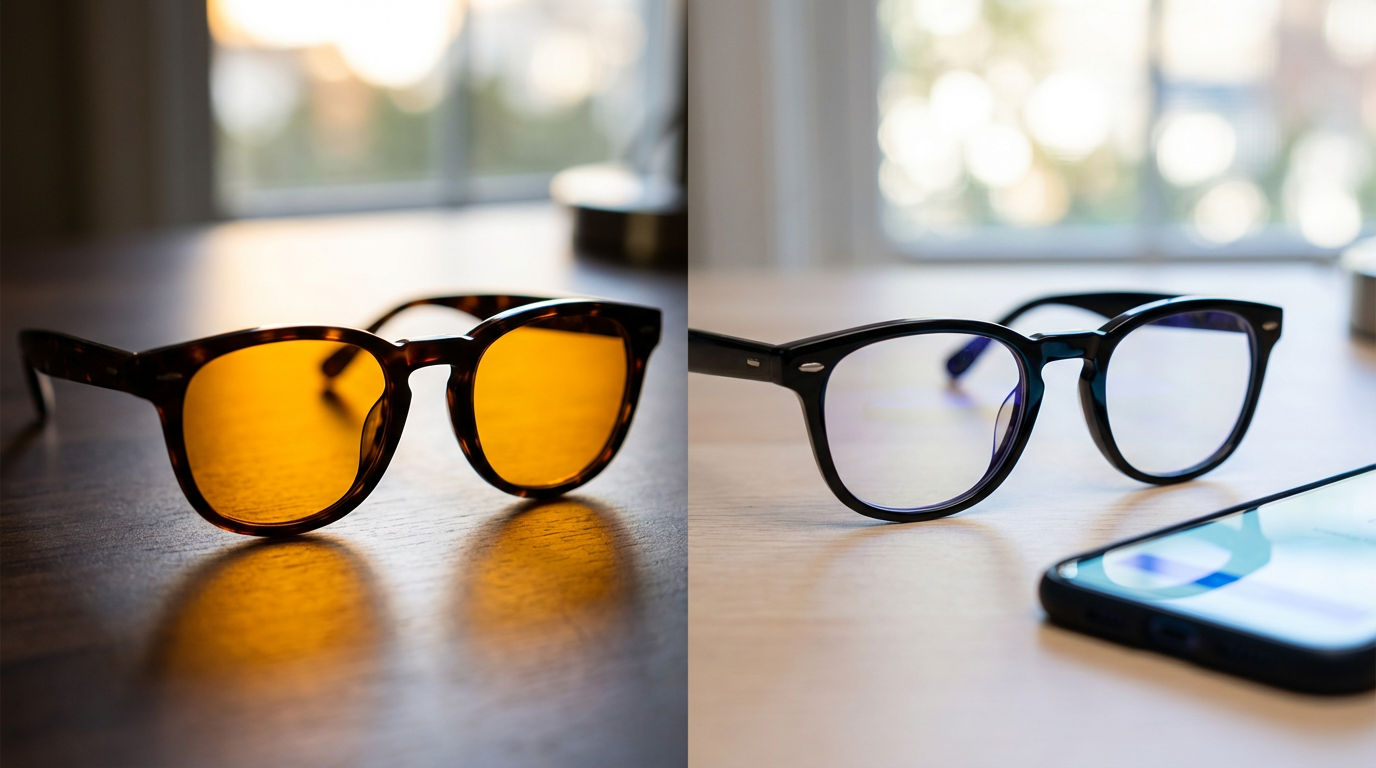
Choosing the right lens comes down to how much of the blue light spectrum you actually need to cut out to see a difference in your sleep. Clear filter coatings are the subtle choice, usually blocking about 20 to 30 percent of high energy light while keeping your world looking natural. These are great for reducing that annoying digital glare during your 9 to 5, but they barely scratch the surface when it comes to your brain’s chemistry. If you are looking for a serious biohack to protect your melatonin production, these clear options might feel like bringing a squirt gun to a forest fire. They offer a slight comfort boost for tired eyes, but they do not provide the heavy lifting required for deep circadian rhythm optimization.
Amber lenses are where things get gritty because they trade color accuracy for raw performance. By filtering out up to 90 percent of blue light, these tinted powerhouses signal to your brain that the sun has actually gone down. While the marketing hype makes it sound like screens are melting your retinas, the reality is that your phone emits less than one percent of the light you get from standing outside. However, that small amount of artificial light at 10 PM is exactly what keeps your brain wired and awake. If you are serious about hitting the pillow and actually staying asleep, the amber lenses are the only version that creates a meaningful shift in your internal clock.
You have to decide if you want a stylish accessory or a functional tool for your nightly routine. Clear coatings are fine for casual users who just want to take the edge off a long day of spreadsheets and emails. Amber lenses are for the high performers who treat their sleep like a competitive sport and want to shut down digital interference entirely. Do not let the fancy sales pages fool you into thinking a clear lens will fix a lifetime of insomnia. Pick the gear that matches your goals, whether that is simple comfort during the day or a total blackout for your brain before bed.
Real Results For Better Sleep And Brain Power
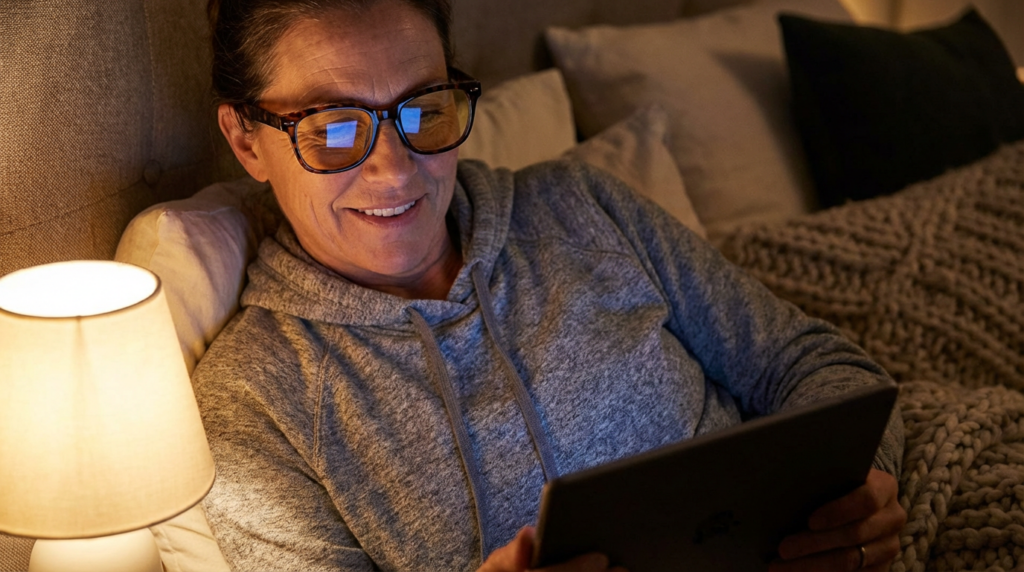
You have likely spent your entire day staring at a screen, only to find your brain buzzing when your head finally hits the pillow. This happens because the high energy visible light from your devices tricks your internal clock into thinking it is still noon, effectively stalling your natural sleep hormones. While the marketing hype for blue light blockers can be over the top, the real magic happens when you use them to reclaim your evening routine. By filtering out those harsh wavelengths a few hours before bed, you give your body the green light to wind down properly. It is not just about avoiding eye strain, it is about signaling to your brain that the workday is officially over.
Waking up feeling like a human being instead of a zombie depends entirely on the quality of your deep sleep cycles. When you protect your eyes from digital glare in the evening, you are actually investing in your cognitive power for the following morning. Most users find that they fall asleep faster and experience less of that heavy, foggy feeling when the alarm goes off. You do not need a laboratory to tell you that a well rested brain processes information faster and stays focused longer. Using these tools is a simple, low effort way to hack your environment for better mental performance without needing another cup of coffee.
We have dissected the data and looked past the fancy coatings to see what actually moves the needle for your health. While natural sunlight is still the king of light exposure, the artificial glow from your phone is the primary culprit behind your late night restlessness. Clear lenses offer a subtle shield for daily office work, but amber tints are the heavy hitters for those serious about optimizing their recovery. You deserve a strategy that cuts through the noise and delivers physical results you can actually feel when you wake up. Taking control of your light exposure is a gritty, practical move for anyone tired of feeling drained by their digital lifestyle.
The Real Truth About Screen Fatigue
The verdict is in, and the truth about blue light blockers is simpler than the marketing gurus want you to believe. While these glasses are a massive trend for digital eye strain, the science shows that your screen is responsible for less than one percent of the blue light you actually encounter daily. Most of the fatigue you feel after a long day of scrolling comes from blinking less frequently and staring at fixed distances rather than the light itself. If you enjoy the style or find a slight amber tint soothing for your evening wind down, they might be a fun accessory, but they are not a medical necessity. You can usually get the same benefits for free by simply looking away from your monitor every twenty minutes to give your eyes a much needed break.
Instead of relying on a plastic lens to fix your productivity, you should focus on optimizing your digital habits and your environment. Real eye comfort comes from adjusting your screen brightness to match the room and putting your devices away at least an hour before you plan to sleep. If you are determined to try a physical solution, look for high quality options on Clickbank that offer a transparent refund policy so you can test them without risk. We suggest checking out the latest wellness tech at httpsco to see if there is a pair that fits your lifestyle and budget. Ultimately, your brain power and sleep quality depend more on your discipline than on a pair of trendy frames.
Frequently Asked Questions
1. Do blue light glasses actually stop digital eye strain?
Not exactly. Most of that gritty, sandy feeling in your eyes comes from the fact that you stop blinking when you stare at a screen. These glasses won’t fix muscle fatigue caused by focusing on a fixed point for eight hours straight.
2. Is the blue light from my phone dangerous?
Your phone is a tiny flicker compared to the sun, which pumps out about 1,000 times more blue light than your device. While screens can mess with your sleep, they aren’t the deadly eye-burners that flashy marketing campaigns claim them to be.
3. Why do my eyes feel so dry after working on a laptop?
You are likely blinking about sixty percent less than normal because you are locked onto your screen. This lack of movement dries out your eyes and causes that burning sensation, regardless of whether you are wearing special glasses or not.
4. Are expensive blue light blockers worth the investment?
Most clear lenses only filter a tiny fraction of light, making them more of a stylish accessory than a medical necessity. You are often paying for a trendy brand name and a cool selfie rather than any groundbreaking scientific protection.
5. Can I get the same results without buying new glasses?
Absolutely. Taking regular breaks to look away from your screen and consciously reminding yourself to blink will do more for your eye health than a piece of plastic. You can also find free apps or settings on your devices that adjust the screen warmth for you.
6. Do these glasses help me sleep better at night?
Blue light can interfere with your sleep cycle, but wearing glasses is only one small part of the puzzle. The best way to protect your sleep is to put the phone down an hour before bed rather than relying on a pair of frames to do the heavy lifting.